
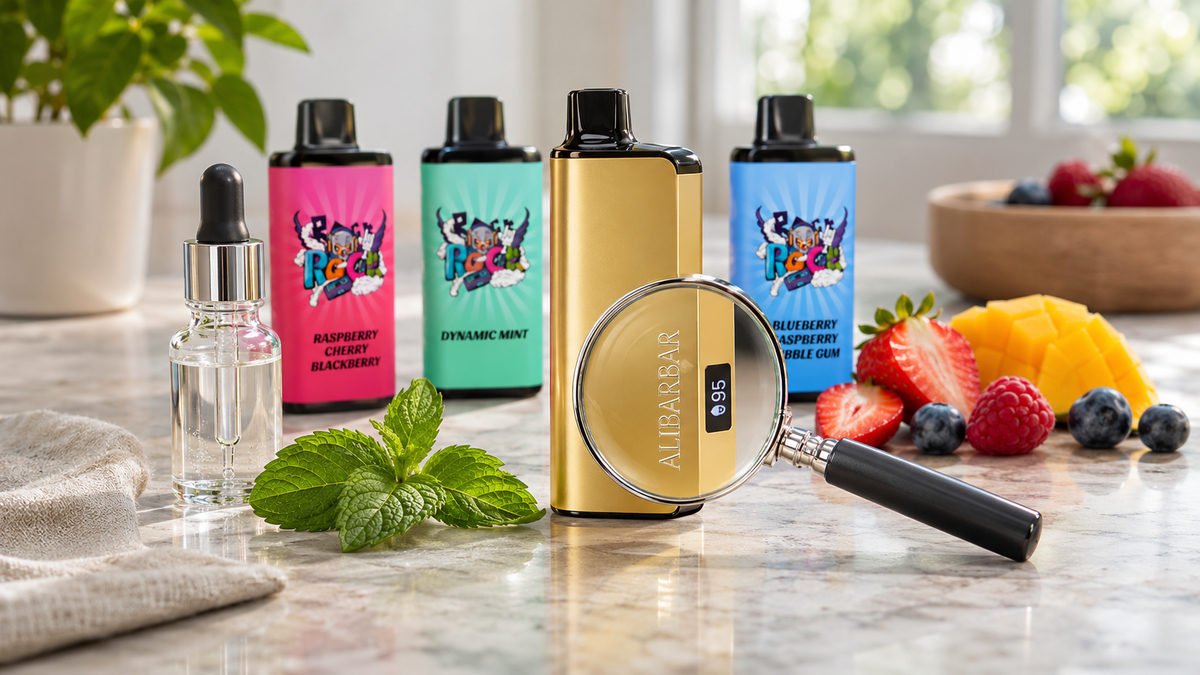
A label reading “0% nicotine” sounds reassuring, but does it mean the aerosol is harmless? What Is a Nicotine-Free Vape? Definitions and Considerations begins with an important distinction. Removing nicotine may remove one major risk, yet it does not remove every possible exposure.
Consumers often face unclear labels, changing formulas, and conflicting safety claims. Moreover, people trying to quit nicotine may view these products as a simple solution. Understanding the device, liquid, aerosol, and evidence can support a more informed decision.
1. What Is a Nicotine-Free Vape? Definitions and Considerations
Meaning of nicotine-free labels
A nicotine-free vape is a device intended to create inhalable aerosol from e-liquid formulated without nicotine. The liquid sits inside a reservoir, pod, cartridge, or absorbent material. A powered coil heats that liquid when the user activates or inhales through the device.

Labels such as “zero nicotine,” “0 mg/mL,” and “0% nicotine” usually have the same intended meaning. Specifically, they indicate that the stated formula contains no intentionally added nicotine. However, these claims describe nicotine content, not the overall safety of the liquid or aerosol.
For example, a fruit-flavored liquid may contain no nicotine but still include solvents, sweeteners, and cooling agents. Heating can change some of those ingredients or create additional compounds. Therefore, “nicotine-free” should never be interpreted as “chemical-free” or “risk-free.”
Common device categories
Refillable systems allow users to add bottled nicotine-free e-liquid to a reusable tank or pod. These devices may offer adjustable power, replaceable coils, and several airflow settings. However, incorrect power settings or worn coils can change both the taste and emissions.
Prefilled pods and cartridges arrive with liquid already inside them. Some manufacturers offer zero-nicotine versions alongside products containing different nicotine strengths. Therefore, users must check each package carefully instead of relying only on similar colors or flavor names.
A nicotine-free disposable vape combines a liquid reservoir, heating coil, and battery in one compact product. Users generally discard the entire device when the liquid or battery runs out. Additionally, disposal requires care because the device contains electronics and a lithium battery.
Why zero may not always mean zero
A label cannot guarantee perfect manufacturing or testing. Cross-contamination may occur when one facility handles liquids with and without nicotine. Moreover, inaccurate labels, counterfeit goods, and undeclared ingredients can create differences between the package and its contents.
Trace nicotine may therefore appear in a product marketed as nicotine-free. The risk may increase with unverified sellers, altered packaging, or missing manufacturer information. Most importantly, anyone who must avoid nicotine completely should not depend solely on a front-label claim.
2. How Nicotine-Free Vapes Work and What They Contain
From e-liquid to inhalable aerosol
Most vaping devices use a battery to send power through a small metal heating coil. A wick draws e-liquid from a reservoir toward that coil. When heated, the liquid forms tiny airborne droplets that users inhale through the mouthpiece.
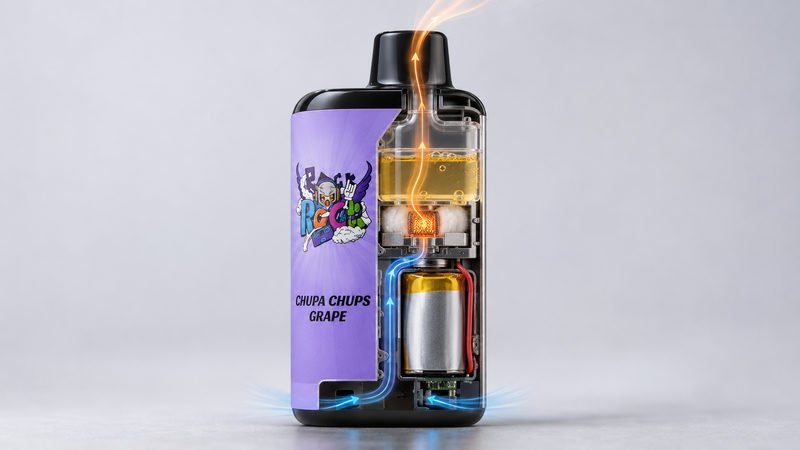
People often call the visible cloud “water vapor,” but that description can mislead. In fact, the cloud is an aerosol containing suspended liquid droplets, particles, and chemical compounds. Its contents depend on the formula, device, coil, temperature, and inhalation pattern.
A refillable device and a nicotine-containing device may operate in exactly the same way. The main intended difference concerns the liquid’s nicotine content. Therefore, vaping without nicotine does not create a fundamentally different heating process.
Common ingredients in zero-nicotine e-liquid
Propylene glycol and vegetable glycerin form the base of many e-liquids. Propylene glycol usually produces a stronger throat sensation and carries flavors effectively. Meanwhile, vegetable glycerin has a thicker texture and often creates denser aerosol clouds.
Manufacturers may combine those carrier liquids in different ratios. A 50/50 mixture may suit smaller pod systems, while thicker mixtures may suit higher-powered devices. However, the precise ratio does not establish whether a product is safe for repeated inhalation.
Nicotine-free e-liquid or zero-nicotine e-juice may also contain several additional ingredients:
- Fruit, dessert, beverage, mint, or tobacco-style flavoring compounds.
- Sweeteners that strengthen sugary tastes or soften harsh flavors.
- Cooling agents that create a cold sensation without traditional menthol.
- Acids that modify flavor, stability, or the liquid’s chemical properties.
- Colorings, preservatives, botanical extracts, or other formulation additives.
Heating changes the exposure
Ingredients can behave differently after a coil heats them. Specifically, heat may break down carrier liquids or flavorings and create new compounds. Higher temperatures, dry wicks, and damaged coils can further alter the resulting emissions.
User behavior also matters. Long puffs, rapid repeated use, restricted airflow, and high power can raise coil temperatures. As a result, two people using the same liquid may experience different aerosol concentrations and chemical exposures.
Food suitability does not automatically establish inhalation safety. The digestive system processes swallowed substances differently from the lungs. Therefore, an ingredient considered suitable for eating may lack evidence supporting frequent, long-term inhalation.
Flavor formulas can also contain many individual compounds without listing each one on the package. Moreover, proprietary blends make comparisons difficult for ordinary buyers. A complete ingredient list and credible laboratory testing can reduce uncertainty, although neither eliminates every risk.
3. Is Vaping Without Nicotine Safe? Risks and Side Effects
Nicotine-free does not mean risk-free
Removing nicotine avoids nicotine’s direct effects, but users still inhale aerosolized ingredients. These may include solvents, flavoring chemicals, ultrafine particles, metals, and heating byproducts. Therefore, health discussions must consider the full aerosol instead of nicotine alone.

Actual exposure varies widely between products and users. For instance, an old coil may release different emissions than a fresh, correctly installed coil. Likewise, high-powered devices may heat the same formula differently from low-powered disposable products.
Common short-term complaints can include:
- Coughing, throat irritation, or an unusually dry mouth.
- Headaches, dizziness, nausea, or an unpleasant aftertaste.
- Chest tightness, airway discomfort, or shortness of breath.
- Sensitivity reactions linked to particular flavors or carrier liquids.
These effects do not occur in every user. However, symptoms can signal irritation, excessive exposure, ingredient sensitivity, or a device problem. Stopping use is safer than repeatedly testing whether a troubling reaction will disappear.
Respiratory and longer-term concerns
The throat and lungs directly contact inhaled aerosol. Consequently, carrier liquids and flavoring compounds may irritate airway tissues or trigger coughing. People with asthma, chronic bronchitis, or other respiratory conditions may experience stronger or less predictable reactions.
Researchers still face challenges when assessing long-term effects. Products change quickly, while formulas, heating temperatures, and usage patterns differ substantially. Furthermore, some users previously smoked or continue smoking, which makes individual health effects harder to separate.
Long-term respiratory and cardiovascular risks therefore remain uncertain. Uncertainty does not prove that serious harm will occur, but it also does not prove safety. Most importantly, limited long-term evidence should encourage caution rather than confident claims of harmlessness.
Secondhand exposure and vulnerable groups
Users exhale part of the aerosol into the surrounding air. Bystanders may then encounter particles, flavoring chemicals, and other emissions. Therefore, people should avoid indoor vaping around children, pregnant people, and individuals with respiratory or cardiovascular conditions.
Opening a window may reduce indoor concentrations, but it cannot guarantee zero exposure. Moreover, aerosol can settle on nearby surfaces and objects. Clear household rules offer a simpler approach, especially in cars, bedrooms, and other enclosed spaces.
Certain groups should not begin using nicotine-free vapes:
- Children, teenagers, and anyone below the legal purchasing age.
- Pregnant or breastfeeding people.
- Non-smokers and people who do not currently vape.
- People with relevant respiratory or cardiovascular conditions.
- Anyone with known sensitivity to the listed ingredients.
Persistent coughing, breathing difficulty, chest pain, or severe dizziness requires attention. Specifically, users should stop vaping and seek qualified medical advice when symptoms continue or worsen. Sudden severe breathing problems or intense chest pain may require urgent medical care.
4. Nicotine-Free Vaping, Habit Formation, and Quitting Nicotine
Dependence and habit are different
Nicotine dependence involves brain changes, cravings, tolerance, and withdrawal. A genuinely nicotine-free product cannot create nicotine dependence because it supplies no nicotine. However, repeated vaping can still develop into a strong behavioral or psychological habit.
Daily routines often provide powerful cues. For example, someone may vape after meals, while driving, during work breaks, or around certain friends. Additionally, flavors, visible clouds, and hand-to-mouth movements can become rewarding parts of the routine.
A person may therefore reach for a nicotine-free device without experiencing chemical withdrawal. The behavior can still feel difficult to change because it fills moments of stress or boredom. In fact, frequent repetition can make the action feel nearly automatic.
Using zero nicotine during a quit attempt
Some current vapers switch to 0% nicotine after gradually lowering their nicotine concentration. This approach may help them separate nicotine intake from the familiar ritual. However, individual experiences differ, and label accuracy remains an important concern.
Nicotine-free vaping is not automatically an established cessation treatment. Continuing the same flavors, locations, and hand movements may preserve triggers linked to previous nicotine use. As a result, some people may prolong the vaping routine instead of ending it.
A planned transition can provide more structure than an indefinite switch. For instance, a person might identify trigger situations and set a date for stopping all vaping. Moreover, they can remove spare devices and prepare alternative responses for cravings before that date.
Withdrawal and evidence-based support
Nicotine withdrawal can begin after someone reduces or stops nicotine intake. Common experiences include cravings, irritability, restlessness, low mood, concentration problems, and sleep changes. Notably, the intensity and duration vary with nicotine intake, dependence, health, and personal circumstances.
A personalized plan can make these symptoms easier to manage. Healthcare professionals, pharmacists, quitlines, and trained tobacco-treatment specialists can help assess suitable options. Additionally, they can consider pregnancy, medications, mental health, and previous quit attempts.
Depending on local approval and medical suitability, established options may include:
- Nicotine replacement products, such as patches, gum, or lozenges.
- Prescription cessation medicines recommended by a qualified professional.
- Individual counseling, group support, or structured telephone support.
- Digital programs that track triggers, cravings, and progress.
Non-vaping tools can also address the behavioral side of quitting. Exercise, slow breathing, sugar-free gum, and cold water may help during brief cravings. Meanwhile, a pen, stress ball, or small craft can keep the hands occupied.
5. Nicotine-Free Vape vs. Nicotine Vapes and Cigarettes
Compared with nicotine-containing vapes
A genuine zero-nicotine vape avoids nicotine exposure and nicotine-driven dependence. It may also avoid nicotine-related effects on heart rate and withdrawal cycles. However, it retains exposure to aerosol, device emissions, flavorings, and the repeated vaping behavior.
Nicotine-containing and nicotine-free devices may look identical. They may also use the same battery, coil, carrier liquids, and flavors. Therefore, users should never identify nicotine strength by appearance, smell, or packaging color alone.
Accidental product swaps can matter for someone avoiding nicotine. Specifically, households should store different strengths separately and retain their original labels. Sharing unmarked refill bottles or pods creates unnecessary confusion and exposure risk.
Compared with combustible cigarettes
Cigarettes burn tobacco and create smoke containing numerous toxic substances. Vapes heat a liquid without burning tobacco, so their emissions differ from cigarette smoke. Consequently, avoiding combustion may reduce exposure to many harmful smoke constituents.
That relative difference does not make nicotine-free vaping harmless. The aerosol still carries chemicals and particles into the lungs. Moreover, researchers do not yet have equally extensive long-term data for every modern device and formulation.
The user’s starting point changes the comparison. A smoker who switches completely from cigarettes faces a different situation from a non-smoker who begins vaping. For the non-smoker, vaping introduces an avoidable exposure that was not previously present.
Why complete switching matters
Some people smoke cigarettes while also using a vape. This pattern is commonly called dual use. However, continuing to smoke may limit potential exposure reductions compared with stopping combustible cigarettes completely.
Occasional cigarettes still involve combustion and smoke exposure. Therefore, simply adding a vape does not guarantee a meaningful reduction in harm. A current smoker should focus on a realistic plan for ending cigarette use, with professional support where possible.
People who neither smoke nor vape should not start. Meanwhile, current smokers who want to quit should consider established cessation support first. The most protective long-term goal remains avoiding both tobacco smoke and unnecessary vaping aerosol.
6. How to Evaluate Labels, Regulations, and Product Safety
What to check on the package
Start with an explicit nicotine statement, such as 0 mg/mL or 0%. Then examine the entire package instead of relying on a large front-panel claim. A trustworthy label should provide enough information to identify the product and contact its manufacturer.
Look for the following details:
- A clear nicotine concentration shown as 0 mg/mL or 0%.
- A complete or meaningfully detailed ingredient list.
- The manufacturer’s name and traceable contact information.
- A batch or lot number linked to the production run.
- Intact tamper evidence and professional, consistent packaging.
- Storage, charging, disposal, and safety instructions.
Reputable manufacturers may publish independent laboratory reports or certificates of analysis. Specifically, useful reports should identify the tested product, batch, laboratory, method, and testing date. They should also address nicotine content and relevant contaminants rather than offering only a vague quality badge.
A certificate does not help if it covers another flavor or production batch. Therefore, compare its identifiers with the product in hand. Consumers should also remain cautious when a seller provides cropped screenshots instead of complete, verifiable reports.
Warning signs and local requirements
Implausible health promises deserve skepticism. Claims such as “completely safe,” “pure vapor,” or “doctor approved” may conceal weak evidence. Additionally, unusually cheap prices can signal expired stock, counterfeiting, poor storage, or missing quality controls.
Other warning signs include spelling errors, altered seals, missing batch numbers, and inconsistent branding. Unverified marketplace sellers may also offer products with an unclear supply chain. As a result, buyers may struggle to confirm where the item originated or how it was stored.
Vaping rules vary across countries and local jurisdictions. Requirements may cover age limits, product authorization, ingredients, flavors, packaging, warnings, and marketing. Therefore, consumers should check guidance from their local public-health or consumer-protection authority before purchasing.
Travel can create additional complications because rules may change across borders. A product legally sold in one location may face restrictions elsewhere. Furthermore, airlines and transport providers often impose specific battery storage and carrying requirements.
Storage, charging, and disposal
Keep devices and e-liquid away from children and pets. Even nicotine-free liquid can cause harm if swallowed or spilled into the eyes. Moreover, brightly colored packaging and sweet smells can make products attractive to young children.
Follow the manufacturer’s charging directions and use compatible equipment. Stop using any device that leaks, swells, overheats, sparks, or shows battery damage. Additionally, never carry loose batteries beside keys, coins, or other metal objects.
Disposable vapes and batteries should not enter ordinary household recycling where local rules prohibit it. Instead, use an appropriate battery or electronic-waste collection program. Proper disposal reduces fire risks in rubbish trucks, sorting facilities, and recycling centers.
Finally, consider the wider decision before purchasing. Weigh your current nicotine use, health history, goals, product reliability, and available non-vaping options. Most importantly, a non-smoker gains no health advantage by starting a new inhalation habit.
Conclusion
A nicotine-free vape creates aerosol from e-liquid made without intentionally added nicotine. However, its solvents, flavorings, additives, particles, and heating byproducts may still carry risks. Repeated use can also maintain a strong behavioral habit, even without nicotine dependence.
Labels may not always match the product’s contents, and long-term health effects remain uncertain. Therefore, neither nicotine-free vaping nor smoking should be described as harmless. Avoiding inhaled products altogether presents the lowest exposure option for people who do not currently smoke or vape.
Before using a zero-nicotine vape for cravings or nicotine reduction, inspect its label and independent testing. Additionally, check local rules and consider safer, non-vaping coping tools. Ask a qualified healthcare professional about established cessation options and a plan that fits your health needs.
