
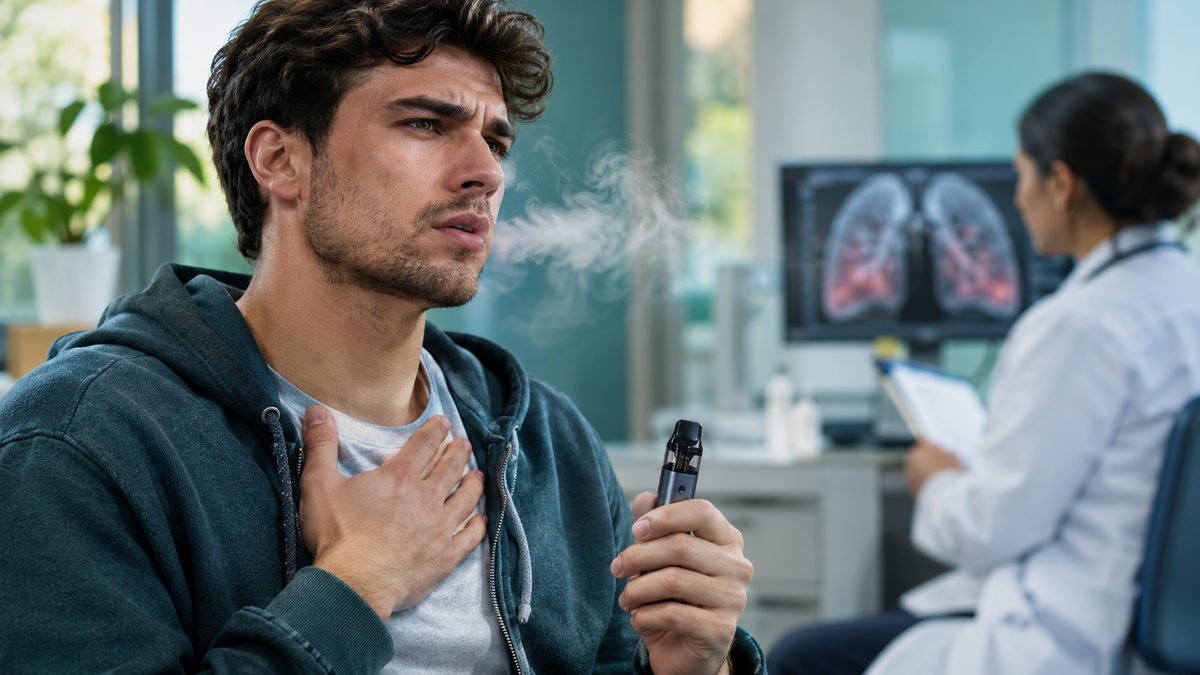
Vape aerosol may disappear within seconds, but what happens after its chemicals enter your lungs? Vaping and Respiratory Health: What Research Shows is more complex than either reassuring slogans or frightening headlines suggest. Adults who vape, former smokers, and concerned families often hear sharply conflicting claims. However, the evidence confirms meaningful respiratory effects while leaving several long-term questions unresolved.
Vape aerosol is not harmless water vapor, yet vaping does not affect every person in the same way. Moreover, an association found in a study does not always prove that vaping caused the reported condition. This guide separates established findings from plausible risks and unanswered questions. It also explains warning signs, recovery, and practical options for quitting.
1. Vaping and Respiratory Health: What Research Shows
How vaping devices work
Vaping means inhaling aerosol produced by an electronic device. Products include disposable vapes, refillable tanks, vape pens, pod systems, and larger adjustable devices. Some deliver nicotine, while others contain cannabis substances such as THC or CBD. Additionally, illicit liquids may contain ingredients that never appear on a label.
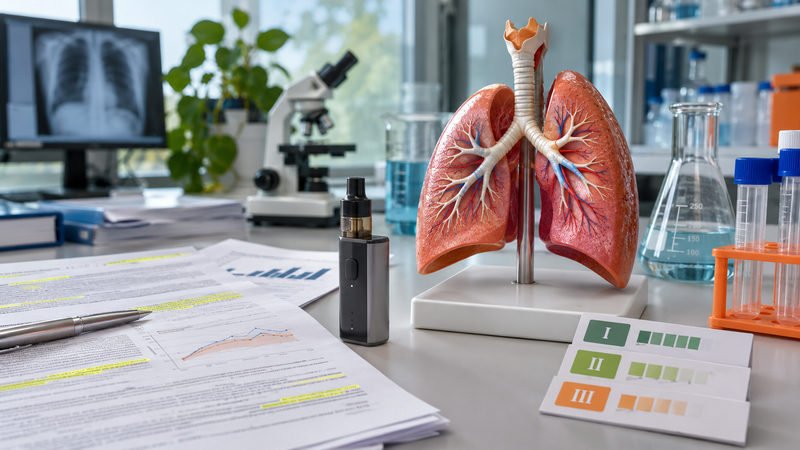
These devices use a battery-powered heating component to warm a liquid or extract. Therefore, they create an aerosol rather than smoke from burning tobacco. That difference matters because combustion produces many dangerous chemicals. However, an aerosol can still carry particles, nicotine, metals, solvents, and irritating compounds deep into the lungs.
How researchers evaluate respiratory effects
Researchers use several methods, and each answers different questions. Human observational studies compare symptoms or diagnoses among people with different vaping histories. Clinical experiments measure immediate changes after controlled exposure. Meanwhile, laboratory and animal studies examine cellular damage, inflammation, and possible biological mechanisms.
No single method provides the complete picture. Observational research reflects real behavior, but smoking history and other exposures can complicate results. Clinical experiments offer tighter control, although they usually involve small groups and brief exposure. Furthermore, laboratory findings may reveal hazards without proving that typical human use will cause disease.
Across these approaches, research consistently finds biological effects within the airways. Studies report irritation, oxidative stress, altered immune activity, and changes in airway cells. In fact, some users develop cough, wheezing, chest discomfort, or breathlessness. The strength and duration of these effects vary considerably.
What researchers know and do not know
Established findings include aerosol exposure, airway irritation, and measurable cellular responses. Observed associations include higher rates of cough, wheezing, and bronchitic symptoms among people who vape. Additionally, repeated inflammation offers a plausible pathway toward lasting injury. A plausible pathway, however, does not prove that a person will develop chronic lung disease.
Important questions remain unanswered. Researchers cannot yet calculate a dependable lifetime risk for chronic obstructive pulmonary disease, cancer, or permanent airflow limitation from exclusive vaping. Products have also changed rapidly, making long follow-up difficult. Therefore, older findings may not represent every modern device, liquid, or pattern of use.
2. What Is in E-Cigarette Aerosol?
Liquids, additives, and heated emissions
Many e-liquids contain propylene glycol and vegetable glycerin as carrier fluids. Manufacturers may add nicotine, cooling agents, sweeteners, acids, and numerous flavoring chemicals. Cannabis products can contain oils, extracts, thinning agents, or concentrates. Notably, heating these mixtures can create new compounds that were not present in the original liquid.

E-cigarette aerosol may contain several potentially harmful substances:
- Ultrafine particles capable of traveling deep into the lungs
- Volatile organic compounds that can irritate respiratory tissue
- Carbonyl compounds, including formaldehyde, acetaldehyde, and acrolein
- Flavoring chemicals with uncertain inhalation safety
- Nickel, chromium, lead, and other metals from device components
The amount of each substance differs widely. For instance, excessive coil temperature can increase the formation of irritating carbonyl compounds. Worn components may release more metals into the aerosol. Additionally, poorly manufactured or contaminated liquids can create risks that consumers cannot detect by smell or appearance.
Why labels and flavors require caution
A “nicotine-free” label does not make a product harmless to the lungs. The liquid can still produce particles, solvents, flavoring emissions, and thermal breakdown products. Moreover, product testing has sometimes identified nicotine in liquids marketed without it. Label accuracy depends heavily on manufacturing standards and regulatory oversight.
A substance considered acceptable in food is not necessarily safe to inhale. Digestion and inhalation expose different tissues through different biological routes. For example, the stomach can process many compounds that may irritate delicate airway surfaces. Therefore, food safety cannot automatically establish respiratory safety.
Exposure also changes with device power, coil temperature, liquid composition, and puff duration. Frequent deep inhalations can deliver more aerosol than occasional shallow puffs. Meanwhile, a damaged coil may overheat liquid and create a harsh “burnt” aerosol. User behavior therefore matters alongside product design.
These differences make broad comparisons difficult. A low-power pod and a high-power refillable device may produce very different emissions. Likewise, findings about one flavor cannot describe thousands of other chemical mixtures. Most importantly, product variability creates uncertainty, but it does not turn an identified hazard into a harmless one.
3. Short-Term Effects of Vaping on the Lungs and Airways
Symptoms people may notice
Some users notice symptoms soon after vaping, while others report no immediate discomfort. Common complaints include dry throat, airway irritation, recurrent cough, wheezing, chest tightness, and increased mucus. Shortness of breath can occur during exercise or ordinary activity. However, these symptoms also have many causes, so they deserve proper evaluation.
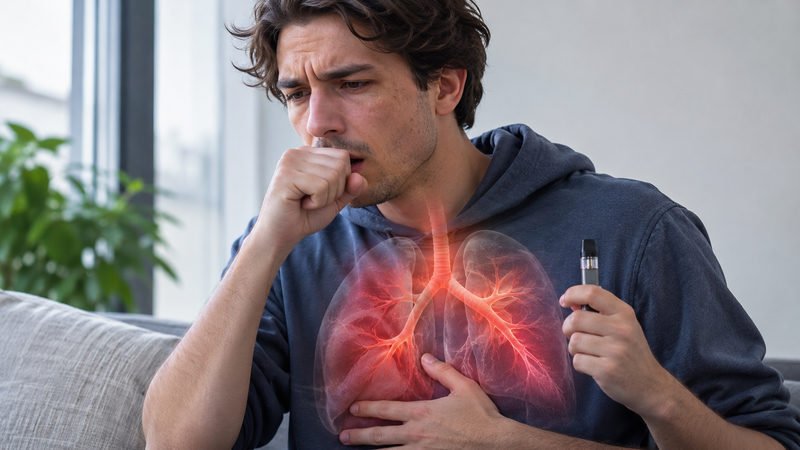
Consider someone who develops a nightly cough after increasing from occasional vaping to frequent daily use. The timing suggests a possible connection, but it does not confirm one. Allergies, infection, asthma, reflux, and cigarette smoking could contribute. Therefore, a clinician needs the full history rather than one isolated detail.
Inflammation and respiratory defenses
Human experiments and laboratory studies show that aerosol can trigger oxidative stress and inflammatory responses. Oxidative stress occurs when reactive molecules overwhelm protective systems inside cells. As a result, airway surfaces may become irritated or function differently. Researchers have also detected changes in genes, proteins, and immune cells after exposure.
The respiratory tract normally traps particles in mucus and moves them outward through tiny hairlike structures called cilia. Vaping chemicals may disturb this clearance system or weaken the airway barrier. Additionally, aerosol exposure can alter macrophages, which help engulf microbes and debris. These effects could reduce the lungs’ ability to respond efficiently to infection.
Laboratory findings support that concern, but clinical evidence continues to develop. Researchers cannot claim that every person who vapes will experience more respiratory infections. However, impaired barriers, altered mucus, and disrupted immune responses provide credible reasons for caution. People should avoid vaping during respiratory illness because inflamed airways may react more strongly.
Temporary changes in breathing
Some controlled studies report short-lived changes in airway resistance or other breathing measurements after vaping. Other studies find small, mixed, or statistically uncertain changes in standard lung tests. Moreover, brief measurements cannot predict what will happen after years of exposure. They primarily show how the airways respond during a limited observation period.
Several factors can shape an individual response:
- Frequency, duration, and intensity of vaping
- Nicotine strength, flavorings, and device type
- Concurrent cigarette or cannabis smoking
- Recent respiratory infections or seasonal allergies
- Asthma, COPD, or another existing lung condition
Seek urgent medical care for severe breathlessness, blue lips, confusion, fainting, or significant chest pain. Additionally, prompt assessment matters when symptoms worsen quickly or occur with fever and low oxygen levels. Do not assume that every breathing problem comes from vaping. Serious infections, blood clots, heart conditions, and asthma attacks can produce similar symptoms.
4. Long-Term Lung Risks, Asthma, COPD, and Recovery
Respiratory symptoms and chronic disease
Studies often find associations between ongoing vaping and persistent cough, wheezing, phlegm, or bronchitic symptoms. Some also report links with asthma symptoms and respiratory diagnoses. However, many participants previously smoked cigarettes or still smoke them. That overlap makes it difficult to separate the effects of vaping from earlier or continuing smoke exposure.
COPD usually develops over many years, often after prolonged exposure to inhaled irritants. E-cigarettes have not existed in stable forms long enough to provide complete lifetime data. Furthermore, devices and liquids change faster than researchers can follow large groups. Current evidence therefore cannot define a reliable COPD risk from exclusive vaping.
That limitation does not prove that long-term use is safe. Repeated inflammation, oxidative injury, excessive mucus, and impaired tissue repair could plausibly contribute to airway remodeling. Over time, remodeling can narrow airways or reduce their flexibility. Nevertheless, mechanistic evidence predicts possible harm; it does not prove a future diagnosis.
Asthma, COPD, and sensitive airways
People with asthma often have reactive, inflamed airways before any vaping exposure. Aerosol, flavorings, and temperature changes may trigger coughing, wheezing, or chest tightness. Additionally, vaping may make symptom patterns harder to interpret. A person could mistakenly increase rescue medication while continuing exposure to the trigger.
People with COPD have less respiratory reserve and may tolerate irritation poorly. The same concern applies to some people with allergies, bronchiectasis, cystic fibrosis, or previous lung injury. Therefore, anyone with existing respiratory disease should discuss vaping with a qualified healthcare professional. Sudden worsening requires timely medical assessment.
Youth exposure and developing systems
Youth vaping raises additional concerns because the lungs and brain continue developing into early adulthood. Nicotine can reinforce dependence and affect attention, learning, mood, and impulse control. Moreover, early dependence may produce years of repeated aerosol exposure. Sweet flavors and discreet devices can also encourage frequent use before symptoms become obvious.
A teenager who takes small puffs throughout the school day may underestimate total exposure. Ten brief sessions can accumulate into sustained nicotine intake and repeated airway irritation. Additionally, dependence can cause irritability, anxiety, poor concentration, or cravings between uses. Prevention and early support therefore matter even when lung tests appear normal.
What recovery after quitting may look like
Cough, throat irritation, mucus, or exercise tolerance may improve after someone stops vaping. Removing an irritant gives airway surfaces and immune defenses an opportunity to recover. However, improvement can take different paths. Some people notice changes quickly, while others continue having symptoms that require investigation.
Recovery depends on several factors:
- How long and how heavily the person vaped
- Whether the person smoked cigarettes before or during vaping
- The ingredients and devices used
- Existing asthma, COPD, allergies, or cardiovascular disease
- Whether infection or structural lung injury occurred
Research cannot provide one dependable lung-recovery timeline after quitting vaping. Additionally, withdrawal symptoms can briefly complicate the early quitting period. Persistent cough may reflect healing, ongoing disease, or another medical cause. Therefore, worsening or prolonged symptoms should prompt clinical evaluation rather than guesswork.
5. EVALI, Popcorn Lung, and Other Common Concerns
Understanding EVALI
EVALI means e-cigarette or vaping product use-associated lung injury. It is a serious acute condition, not a routine effect experienced by everyone who vapes. Patients can become severely ill and may need hospital care, oxygen, or intensive respiratory support. Furthermore, early symptoms can resemble pneumonia or other infections.
Possible EVALI symptoms include:
- Cough, shortness of breath, or chest pain
- Fever, chills, or pronounced fatigue
- Nausea, vomiting, abdominal pain, or diarrhea
- Rapidly worsening breathing or reduced oxygen levels
The major EVALI outbreak had a strong association with certain THC-containing products. Investigators identified vitamin E acetate as an important contributor, especially in products from informal sources. However, illicit or unsafe products may contain other oils, contaminants, pesticides, or unknown chemicals. Avoiding vitamin E acetate alone cannot guarantee safety.
Anyone who develops breathing difficulty or chest pain after vaping should seek medical advice promptly. Severe symptoms require urgent care. Specifically, tell the clinician what products you used, where they came from, and when symptoms began. Honest details can guide testing and treatment.
Does vaping cause popcorn lung?
“Popcorn lung” is a popular name for bronchiolitis obliterans. This rare disease scars and narrows the smallest airways. The name arose after occupational exposure to high concentrations of diacetyl in food manufacturing. Diacetyl has also appeared in some flavoring formulations.
Concern about inhaling diacetyl is legitimate because workplace exposure demonstrated serious respiratory danger. However, available evidence does not establish vaping as a common cause of bronchiolitis obliterans. The absence of common confirmed cases does not make flavored aerosol safe. Many flavoring chemicals still lack adequate long-term inhalation testing.
Similarly, nicotine-free products do not remove every respiratory risk. They may still expose users to heated solvents, ultrafine particles, metals, and reactive flavoring compounds. Moreover, pleasant taste can encourage deeper or more frequent inhalation. Flavor and nicotine labels therefore cannot serve as simple safety ratings.
6. Vaping Versus Smoking, Secondhand Exposure, and Quitting
Comparing risks without creating false reassurance
Combustible cigarettes burn tobacco and generate thousands of chemicals, including carbon monoxide and tar. Consequently, cigarette smoke generally creates greater toxic exposure than regulated nicotine vaping. For an adult who smokes, completely replacing cigarettes may reduce exposure to many combustion products. Lower exposure, however, does not mean no exposure or no risk.
The comparison changes for someone who has never smoked. That person gains no harm-reduction benefit by starting to vape. Instead, vaping introduces respiratory irritants and possible nicotine dependence. Therefore, never-smokers, young people, and pregnant people should not begin vaping.
Adults who smoke need balanced, individualized guidance. A complete switch differs from using both cigarettes and e-cigarettes. Even a few daily cigarettes can sustain substantial exposure to toxic smoke. Moreover, dual use may increase total inhalation because the person vapes between smoking occasions.
Someone who reduces from 20 cigarettes to five may feel encouraged, yet those five cigarettes still deliver combustion products. The person may also vape throughout the day to manage cravings. As a result, expected respiratory benefits may remain limited. A structured plan should aim to end cigarette use completely and eventually address vaping dependence.
Secondhand and thirdhand exposure
People nearby can inhale nicotine, particles, and other aerosol constituents. Secondhand vape aerosol usually differs from cigarette smoke in composition and concentration. However, limited exposure data cannot establish complete safety for every person or setting. Indoor vaping also increases airborne particles that others did not choose to inhale.
Precautions matter especially around:
- Babies, children, and teenagers
- Pregnant people
- People with asthma, COPD, or allergies
- Anyone recovering from respiratory illness
Thirdhand exposure refers to residue left on furniture, clothing, floors, walls, and other surfaces. Nicotine and additional compounds can remain after visible aerosol disappears. Young children may contact these surfaces and place their hands in their mouths. Nevertheless, researchers still need stronger evidence about resulting respiratory effects.
Making homes and vehicles vape-free reduces involuntary exposure. Additionally, it prevents vaping from becoming a normal visual cue for children. Opening a window does not fully control indoor particles or surface residue. A clear outdoor-only rule offers a simpler precaution.
Building an effective quitting plan
Nicotine dependence can make quitting difficult, but support improves the chance of success. Counseling helps people identify triggers, manage cravings, and recover from lapses. Quitlines and structured digital programs can provide regular guidance. Moreover, a clinician can assess whether medications for nicotine dependence are appropriate.
Evidence-based support may include:
- Individual, group, or telephone counseling
- Text-based or digital quitting programs
- Nicotine replacement products, when clinically appropriate
- Prescription medication selected with a healthcare professional
- A written plan for triggers, cravings, and possible lapses
People who switched from smoking should protect themselves from returning to cigarettes. Therefore, quitting vaping may require a gradual or carefully timed approach. A clinician can help balance nicotine withdrawal against relapse risk. The healthiest long-term outcome remains freedom from both smoking and vaping.
Track the device, liquid, nicotine strength, and approximate daily use before an appointment. Also record cough, wheezing, mucus, chest discomfort, exercise tolerance, and nighttime symptoms. Specifically, include current and previous cigarette or cannabis use. These details help a healthcare professional evaluate symptoms and recommend suitable support.
Conclusion
Current evidence shows that vaping can irritate airways, promote inflammation, increase oxidative stress, and alter respiratory defenses. It can also contribute to cough, wheezing, mucus, chest discomfort, and breathlessness. However, researchers still cannot define every long-term disease risk or recovery timeline. Uncertainty should never be mistaken for proof of safety.
Vaping is particularly inappropriate for never-smokers and young people. Meanwhile, adults who smoke need guidance that distinguishes complete switching from prolonged dual use. Combustible cigarettes generally create greater toxic exposure, but vaping remains biologically active. Ultimately, avoiding both products offers the strongest protection for respiratory health.
If vaping affects your breathing, start by recording symptoms, products, and frequency of use. Additionally, make your home and vehicle vape-free to protect other people. Seek urgent care for severe breathlessness, blue lips, fainting, confusion, or significant chest pain. Most importantly, ask a qualified healthcare professional for a personalized evaluation and evidence-based quitting plan.
