
Two vape labels mention blueberry and raspberry, but one says “sour” and the other names lemon. What can you reasonably infer from that difference? HappyTank 21000 Puffs Blueberry Sour Raspberries and Blueberry Raspberry Lemon: Understanding Flavour Descriptions starts with reading each word in context.
For a parent, an educator, or anyone identifying a package, those names are often the easiest details to spot. However, they leave important questions about taste, ingredients, nicotine, and device performance unanswered. A side-by-side reading shows what each name suggests and which details you need to verify elsewhere on the packaging.
HappyTank 21000 Puffs Flavour Descriptions at a Glance
Blueberry Sour Raspberries and Blueberry Raspberry Lemon are two distinct flavour names on HappyTank 21000 Puffs packaging. Both names include blueberry and a reference to raspberry. However, each adds a different kind of information. One uses “sour” to suggest a taste quality, while the other uses “lemon” to identify another fruit note.
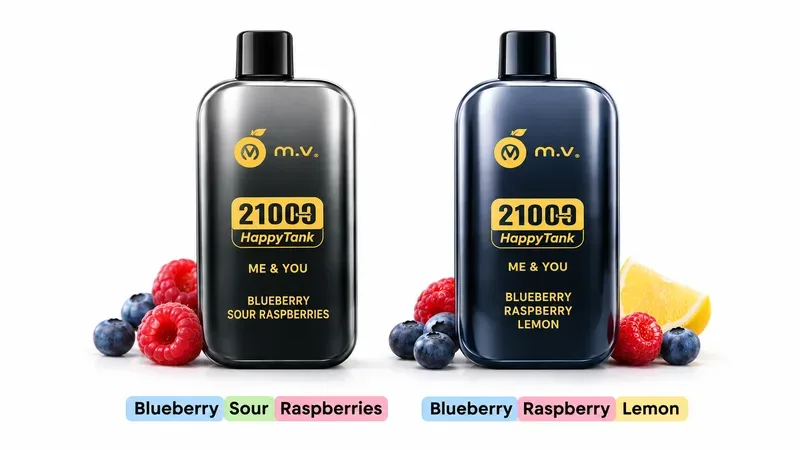
For instance, a quick photo of the front panel might capture both “Blueberry” and “21000 Puffs.” Those details could fit either variant. Therefore, the complete flavour name matters when you need to identify which package someone has. Even the difference between “raspberries” and “raspberry” helps when you’re matching the wording exactly.
What the front panel actually tells you
The comparison starts with the supplied names, which provide enough information to distinguish the two variants by wording. Specifically, it treats each fruit word as a flavour reference and reads “sour” as a description of intended taste. The same words leave the actual taste, formulation, nicotine strength, and performance of each variant open.
In practice, a flavour name works like a short description designed to be understood at a glance. Familiar fruit words give readers an immediate idea of the flavour the package is trying to evoke. However, front-panel space rarely tells you how those notes relate to one another. The name also gives you no scale for comparing one variant with the other.
Consider two drink labels that say “berry tart” and “berry lemon.” You might anticipate a tangy quality from the first and recognise a citrus reference in the second. However, you would need more information to judge which drink tastes sharper. The same reading habit helps here, even though the products themselves are different.
Therefore, use the flavour name to record the variant and describe the expectation the wording creates. Keep questions about the liquid, nicotine, and puff count beside the relevant statements elsewhere on the box. If someone shares only the front image, ask for the other panels before treating it as a complete identification.
Blueberry Sour Raspberries Meaning on the Label
Read “Blueberry Sour Raspberries” in three parts. “Blueberry” names one fruit reference, “raspberries” names another, and “sour” gives the phrase a taste cue. In ordinary English, “sour raspberries” reads naturally as a description of the raspberry note. However, the label leaves open how much that quality shapes the overall flavour.
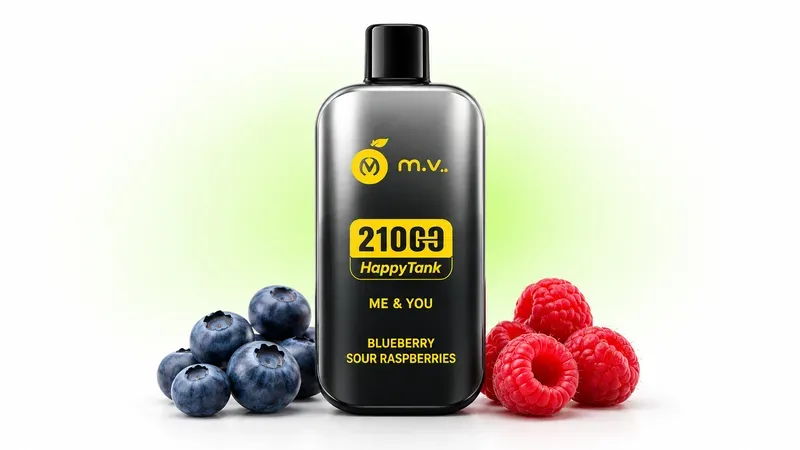
- Blueberry gives readers a named fruit reference and may evoke the smell or taste they associate with blueberries.
- Sour suggests a tart or tangy impression and can also remind readers of sour candy.
- Raspberries supplies the second fruit reference, with the plural forming part of the printed name.
For instance, two people could read “sour raspberries” and picture different things. One might think of a raspberry with a sharp edge. Meanwhile, another might imagine a sweet raspberry candy with a tangy coating. The wording can prompt either association without confirming that the product follows either profile.
Why “sour” gives you a direction rather than a degree
“Sour” describes the kind of impression the name aims to create. However, it supplies no measurement of acidity, such as a pH value. It also gives no sensory rating that tells you how noticeable the tartness would be. Therefore, a mild tang and a much sharper impression both fit the same broad description.
Similarly, the label leaves sweetness open. A sour cue can sit alongside a sweet impression, as it does in many candies. For example, a reader who sees “sour” might expect a strong tang to dominate. That expectation comes from the reader’s associations, and the printed name gives no way to confirm it.
The order of the words leaves the balance open as well. Blueberry appears first, but the name provides no amounts or ranking for either berry note. Likewise, the plural “raspberries” forms part of the wording without telling you how many raspberries, if any, went into the product.
For a product record, copy “Blueberry Sour Raspberries” exactly. Then describe “sour” as a cue for tartness if you need to explain the label to someone else. Avoid turning that cue into a stronger statement such as “highly acidic” or “more sour than the lemon version.”
Blueberry Raspberry Lemon Meaning on the Label
“Blueberry Raspberry Lemon” reads as a list of three fruit references. The first two are blueberry and raspberry, which also appear in the other flavour name. Specifically, “lemon” gives readers a third named note to recognise. The label never assigns that note a level of sourness.
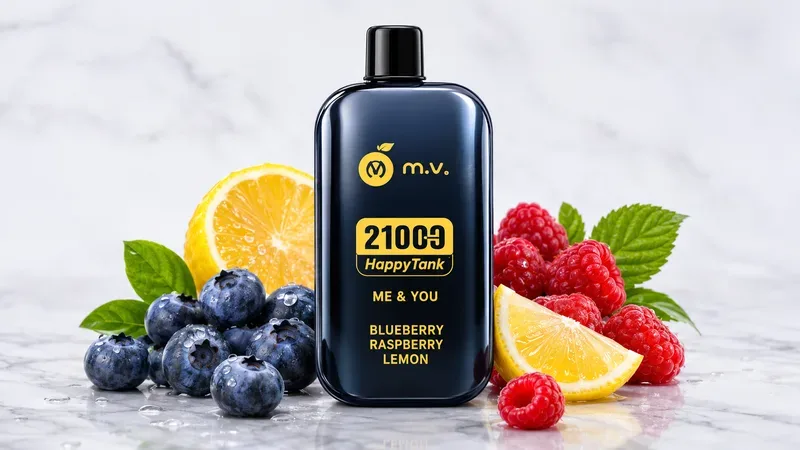
- Blueberry names the first fruit reference and gives the phrase one of its two berry notes.
- Raspberry names the second berry reference and appears in the singular in this variant name.
- Lemon adds a named citrus reference and leaves readers to imagine how that note might come across.
For instance, someone who thinks of fresh lemon juice might anticipate a sharp edge. Another reader might think of sweet lemonade or the citrus aroma of lemon zest. Meanwhile, the label leaves all those interpretations open. It names the fruit reference without specifying which qualities of lemon the description intends to evoke.
Why a citrus note leaves the balance open
Lemon often brings tartness to mind, which explains why people may read the name as a hint of tanginess. However, that association gives you no direct comparison with the word “sour” on the other package. A berry-and-lemon description could suggest anything from a faint citrus accent to a prominent lemon note.
Similarly, the order gives readers no way to rank the three notes. Lemon appears last, but the label supplies no proportions or tasting details. Therefore, you cannot tell whether lemon would stand out first or only register faintly. You also cannot judge how sweet the overall flavour would seem.
Imagine an educator transcribing the label for a school record. Writing “berry lemon” captures the broad idea, but it drops information someone may need to match the package later. Instead, “Blueberry Raspberry Lemon” preserves the precise wording and keeps the citrus note in its original context.
The label also leaves the source and character of the fruit notes open. For example, it gives no basis for calling the lemon fresh-tasting or describing the blueberry as candy-like. A careful reading can identify the three fruit references while leaving authenticity, sweetness, and intensity as questions the name cannot settle.
Blueberry Sour Raspberries vs Blueberry Raspberry Lemon
Put the two names side by side and start with the shared words. Both name blueberry and raspberry, although one uses the plural “raspberries.” Then look at the extra word each label uses. “Sour” points to a taste quality, while “lemon” points to a specific fruit note.
- Shared fruit references. Both names mention blueberry and raspberry, giving readers two familiar points of reference.
- Blueberry Sour Raspberries. This wording uses “sour” to suggest a tart or tangy impression alongside the berry references.
- Blueberry Raspberry Lemon. This wording names lemon alongside the two berries and leaves its taste qualities open.
For example, suppose someone asks, “Which one mentions citrus?” You can answer that directly from the label. Blueberry Raspberry Lemon is the name that mentions lemon. However, if the question is “Which one tastes more sour?” the wording leaves the answer open.
The two names organise expectations differently. One puts a sensory quality into the phrase, so readers notice “sour” as they read the raspberry reference. Meanwhile, the other gives each fruit its own place in a three-part name. That distinction describes what the words do and helps explain why the labels can sound similar at first.
Which comparisons need more evidence?
A useful test is to ask whether the answer appears in the words or depends on an experience. Finding the word “lemon” takes only a glance. By contrast, deciding which flavour seems sweeter requires evidence beyond the printed names. The same applies to sharpness, overall intensity, and how prominently the fruit notes come through.
Consider two people who see both packages without trying either product. One predicts that the “sour” variant will taste tarter because the label uses that exact word. Meanwhile, the other predicts that the lemon variant will taste tarter because lemon reminds them of sour juice. Both predictions reflect familiar associations, and neither settles the comparison.
Moreover, a shared fruit reference leaves room for different interpretations. Someone might imagine a blueberry-led profile in both variants because blueberry appears first. However, the labels offer no tasting notes or proportions that would establish blueberry as the dominant flavour. Even a familiar word can carry several expectations at once.
Therefore, keep a side-by-side description close to what someone can verify from the packaging. You can say both names share two berry references, and you can explain what each additional word contributes. Leave questions about which tastes tarter, sweeter, stronger, or more fruit-forward open until you have evidence that addresses them.
Vape Flavour Name vs Ingredient and Nicotine Disclosures
Fruit words on a vape package describe the flavour the maker intends to evoke. For instance, “blueberry” can serve as a flavour reference without telling you whether the liquid contains blueberries. The same applies to raspberry and lemon. Look for separate disclosures when you need to verify claims about real fruit, juice, or extract.
Start by finding the full name and matching it to the package in front of you. Next, read the small print on the sides, back, and bottom. Some details may also appear on a leaflet or on the device. Record where you found each statement so you can check it again later.
- Ingredient information. Check which ingredients the label names. A broad term such as “flavourings” gives limited information about individual components.
- Nicotine statement. Record the stated concentration and its unit together. For example, a percentage and a value per millilitre use different formats.
- Warning label. Read the exact wording to see which warning the package communicates and whether it mentions nicotine.
- Manufacturer or distributor details. Note the business name, its stated role, and any listed contact information. Capture any batch or lot code nearby.
- Regulatory markings. Record the symbol or identifier as printed. Then verify what it means through the relevant authority for that market.
For example, a nicotine warning may alert you to nicotine without giving a concentration. Look for a separate strength statement if you need the amount the label declares. Likewise, a number with an unreadable unit gives an incomplete record. Mark the unit as unreadable until you can check a clearer image.
How to document a package accurately
Parents and educators can photograph the complete packaging when identification matters. Start with an image that shows the brand and full flavour name together. Then photograph each remaining panel in good light, including any fine print or warning. A close-up can help when glare or a fold obscures a number.
For instance, a photo showing “Blueberry Raspberry Lemon” verifies that wording in the image. A second photo might show the ingredient statement and nicotine declaration. However, both photos should clearly come from the same package before you combine those details in a record.
Finally, distinguish the details you can read from information you still need to verify. If a side panel is missing, record that the information was unavailable in the images you reviewed. That gives the next person a specific detail to check and avoids turning missing evidence into a claim about the product.
What the HappyTank 21000 Puffs Claim Means
“21000 Puffs” is an advertised puff-count claim. The number tells you what the packaging advertises, while the conditions behind that figure determine how to interpret it. However, the wording alone offers no guarantee that every user will get 21,000 puffs. It also leaves open what the manufacturer counted as one puff.
For instance, imagine two test sessions with 100 draws each. In one session, each draw lasts one second, and in the other, each lasts three seconds. Both sessions have 100 draws, yet the total draw times are 100 and 300 seconds. That example illustrates why equal counts can represent different amounts of device use.
Researchers studying e-cigarette use have measured puff duration and the interval between puffs as separate variables. For example, a study published in Nicotine & Tobacco Research tracked puff duration, count, and intervals during use. Those measurements show why a puff count gives only part of the picture.
What can change the total?
- Draw duration. Short and long draws can each register as one puff, even when the device runs for different lengths of time.
- Frequency of use. Closely spaced draws create a different pattern from draws with longer pauses, which matters when comparing test conditions.
- Device behaviour. Activation thresholds and automatic cutoffs can affect which draws the device recognises and how long it operates.
- Operating conditions. Battery state, remaining liquid, and the device’s stopping point can influence the total recorded in a test.
- Counting method. A test might count each activation or require a draw to meet a minimum duration before it qualifies.
Therefore, look for an explanation of the test method when you need to evaluate the figure. Useful details include how long draws lasted, how they were spaced, and what ended the test. If the package gives only the headline number, you can record the claim while leaving its testing conditions open.
Likewise, avoid converting 21,000 puffs into a number of days based on the label alone. That calculation would depend on how often someone uses the device and how their draws compare with the test. A precise number can look like a dependable estimate even when those practical details are missing.
Finally, the puff count answers a different question from the flavour and disclosure panels. It gives you no measure of flavour intensity, ingredient composition, nicotine concentration, or health risk. Read it as a device performance claim and verify the flavour name, nicotine statement, and warnings on their own terms.
Conclusion
Both names mention blueberry and raspberry. Blueberry Sour Raspberries adds a general sour taste cue, while Blueberry Raspberry Lemon names lemon as a third fruit note. However, neither name establishes exact tartness, confirms real fruit, or supplies ingredient and nicotine disclosures. The advertised “21000 Puffs” claim describes a count that can vary in real-world use.
Before drawing conclusions from either flavour name, compare the complete packaging panels. Then verify the ingredient information, nicotine statement, warnings, and manufacturer details separately. If you’re documenting the product for someone else, capture the full flavour name and puff claim alongside those panels.
