
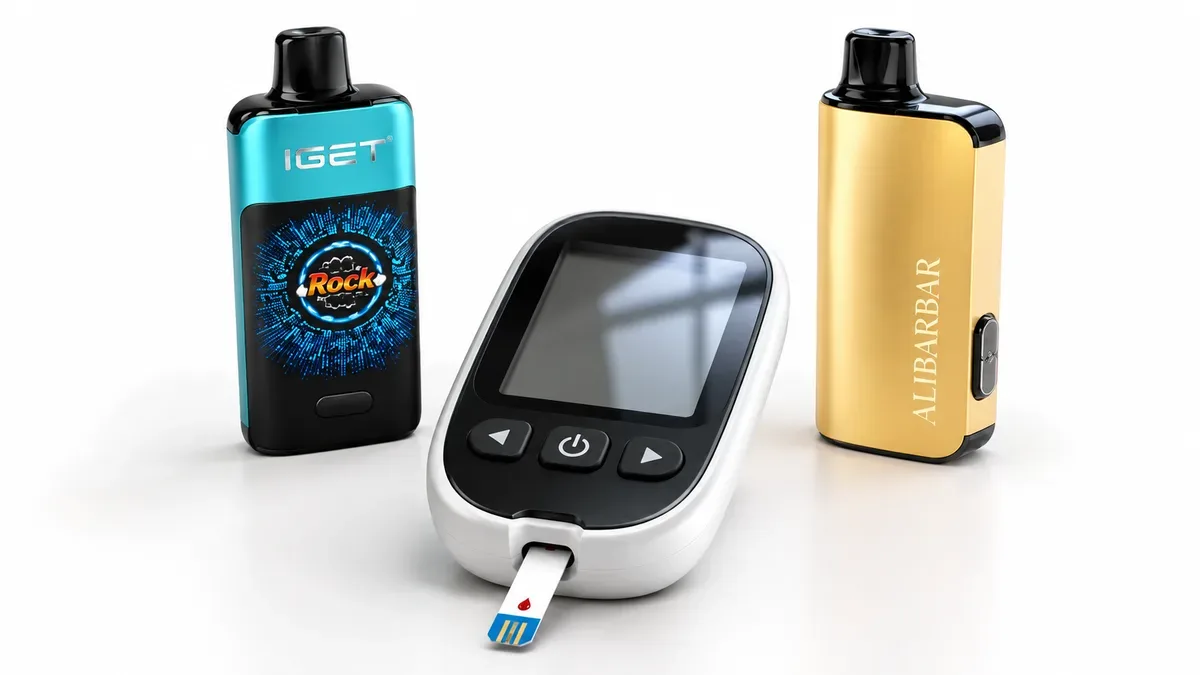
Your glucose monitor shows an upward trend shortly after you vape. Does Vaping Affect Blood Sugar Levels? Nicotine can raise blood glucose, so it could be part of the reason. However, direct studies in people offer little guidance on how quickly a rise might happen or how large it might be.
Nicotine may also temporarily reduce insulin sensitivity in people with type 2 diabetes. Meanwhile, a sweet flavor, a higher A1C, and a glucose rise after lunch each raise different questions. If you keep seeing the same pattern, a simple log can help your care team decide what to check.
Does Vaping Affect Blood Sugar Levels?
Nicotine could contribute to a rise
The CDC explains that nicotine can raise blood sugar and make glucose harder to manage. Therefore, a rise after vaping a product that contains nicotine is plausible. However, direct human studies give us too little evidence to predict the timing, size, or frequency of a rise. Your monitor can show when glucose started climbing and how long it stayed elevated.
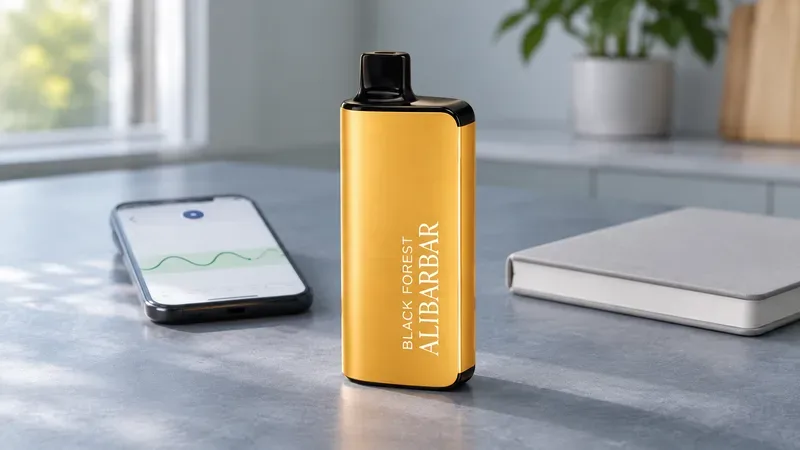
For instance, you might notice your glucose climbing after a few puffs during an afternoon break. If you ate lunch shortly before the break, glucose from that meal may still be entering your bloodstream. Meanwhile, a stressful meeting could also affect your reading. Both details matter when you look back at the graph.
Put a single reading in context
Start with the hours leading up to the reading. Specifically, look at when you last ate, what physical activity you did, and when you took any diabetes medication. Also, note illness or unusual stress, which can affect glucose even when your meals stay the same. The earlier part of your glucose graph may show whether the rise had already started.
For example, suppose your monitor moves from 135 to 165 mg/dL after lunch and a vape break. That 30-point difference describes an observed change. However, the number alone cannot tell you how much each factor contributed. Your own glucose targets and the timing of your usual checks help put the numbers in context.
When you review the day, pay attention to readings from similar parts of your routine. For instance, compare that afternoon with another afternoon when you had a similar lunch. If the change keeps appearing around vaping, write down the timing so your care team can review it.
How Nicotine May Affect Blood Glucose and Insulin Sensitivity
What a short-term human study found
Insulin helps move glucose from your blood into cells, where your body can use or store it. When insulin sensitivity falls, your body needs more insulin to manage the same amount of glucose. Meanwhile, your liver can release stored glucose into the bloodstream. Nicotine can stimulate stress hormones, including adrenaline, which can prompt that release.

In one small laboratory experiment, researchers studied six adults with type 2 diabetes and six comparison participants. Each person received nicotine by infusion during one session and a placebo during another. Specifically, the researchers kept blood glucose steady while measuring how well the participants responded to insulin. That setup helped them study insulin sensitivity under controlled conditions.
During nicotine exposure, insulin sensitivity fell in the participants with type 2 diabetes. However, the researchers found no clear change in the comparison group. The study showed a short-term effect under laboratory conditions. Because the researchers delivered nicotine through an infusion, the results offer little guidance about glucose changes after a vape break.
For example, a study that holds glucose steady can tell researchers how much glucose they need to maintain that level. In everyday life, your glucose can move as food digests, medication takes effect, or you become more active. Therefore, the laboratory result helps explain a possible mechanism while leaving your likely monitor response uncertain.
Why nicotine exposure varies between sessions
Two devices can deliver different amounts of nicotine even when their liquids show the same concentration. In part, that happens because devices heat liquid differently and produce different amounts of aerosol. E-liquids also vary in nicotine concentration and formulation. Additionally, the length, frequency, and spacing of your puffs influence how much nicotine you take in.
For instance, someone might take two brief puffs after breakfast and use the same device repeatedly throughout the evening. The label stays the same across those two situations. However, the pattern of exposure changes, and the label gives you only the concentration in the liquid. If you change products or devices, record when the change happened so you can place it alongside your glucose readings.
Also, a familiar flavor can come in several nicotine strengths. Check the package if you want to record which product you used. The device name and labeled strength can give your care team more detail than the flavor name alone.
What Research Says About Vaping, A1C, and Type 2 Diabetes Risk
What each measure tells you
A study about vaping and prediabetes can sound like an answer to why your monitor rose this morning. However, studies often ask different questions and use different measurements. Before applying a finding to your own readings, look at what the researchers actually measured and when they measured it.
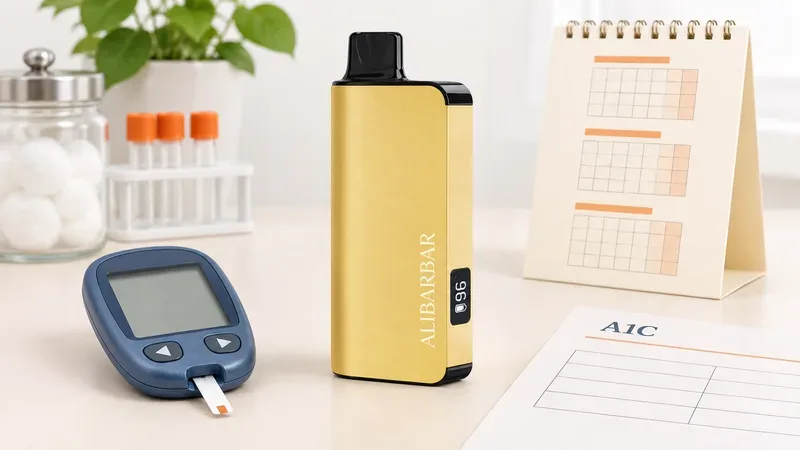
- A glucose reading shows your level around the time you checked. For example, a reading after lunch can capture part of your response to that meal.
- A1C reflects average blood glucose over about three months. Therefore, it summarizes many days of glucose changes, including times you may rarely check.
- An insulin resistance measurement estimates how well your body responds to insulin. Some studies estimate resistance from fasting glucose and insulin, while others use controlled laboratory tests.
- A new type 2 diabetes diagnosis tells researchers who developed diabetes during follow-up if they tracked participants over time. Clinicians use lab testing and medical history to establish the diagnosis.
For instance, a person can have occasional high readings even when their A1C stays steady. Likewise, a higher A1C can reflect recurring overnight or after-meal rises they rarely see on a meter. If your A1C changed, your care team can compare it with your recent glucose patterns.
Why studies reach different conclusions
One U.S. survey of roughly 600,000 adults linked current vaping with a greater likelihood of reporting a prediabetes diagnosis. However, participants reported what a health professional had told them. The survey captured vaping status and diagnosis history at one point, leaving the order of events uncertain.
Meanwhile, a National Health and Nutrition Examination Survey analysis used lab results and medication data from 5,101 adults. After accounting for other factors, it found no clear association between e-cigarette use and prediabetes or diabetes. However, researchers found a signal for higher estimated insulin resistance among former e-cigarette users. That finding leaves open whether vaping contributed to the difference.
Past and current cigarette use complicate both kinds of research. For instance, someone who vapes today may have smoked cigarettes for years or may still smoke on some days. Additionally, how much and how long they smoked can vary across groups. Even when researchers account for smoking history, they may have incomplete information about that exposure.
Overall, these studies leave the effect of vaping on A1C and long-term type 2 diabetes risk uncertain. Following people over time, with repeated glucose tests and detailed tobacco histories, would help clarify what changes after someone starts vaping.
Can Nicotine-Free Vapes or Sweet Vape Flavors Raise Blood Sugar?
What nicotine-free means for glucose
A genuinely nicotine-free vape removes nicotine from that product as a possible cause of a glucose rise. However, human studies offer limited evidence about glucose effects from the remaining aerosol ingredients. If you use nicotine from another source, such as cigarettes or a nicotine patch, that exposure still matters. Include it when you describe your routine to your care team.
The CDC’s guide to vaping products describes ingredients commonly found in e-liquids. Specifically, many liquids contain a base that carries flavorings and, in some products, nicotine. Heating the liquid creates the aerosol you inhale. The bottle or package may list some or all of these common ingredients.
- Propylene glycol is a liquid that helps carry ingredients in the mixture and contributes to aerosol formation.
- Vegetable glycerin is a thicker liquid that also helps form the aerosol. It can have a slightly sweet taste.
- Flavorings create tastes such as fruit, mint, or dessert. Their composition can vary between products with similar names.
Why a sweet taste tells you little about glucose
When you drink a sweetened beverage, your digestive system processes the carbohydrates, and glucose can enter your bloodstream. Inhaling a sweet-tasting aerosol exposes you to ingredients through a different route. Therefore, the taste of a vape gives you too little information to predict a blood sugar response. A fruit flavor alone cannot tell you whether your reading will rise.
For instance, imagine you see a higher number after using a sweet vape beside your morning coffee. If the coffee contained sweetened creamer, its carbohydrates offer another explanation worth checking. Meanwhile, if the vape contained nicotine, that exposure could also matter. Record both details while the timing is still fresh.
In addition, write down the product and its labeled strength when you notice a recurring pattern. That detail is more useful for reviewing exposure than a description such as “very sweet.”
Vaping vs. Cigarette Smoking and Blood Sugar
What we know about cigarette smoking
Cigarette smoking has a well-established link to type 2 diabetes. According to the CDC, people who smoke have a 30% to 40% higher risk of developing type 2 diabetes. That estimate compares people who smoke with people who do not smoke. Additionally, smoking can make glucose harder to manage in people who already have diabetes.
Nicotine is part of the explanation because it can raise blood sugar. Moreover, chemicals in cigarette smoke can damage cells and promote inflammation, which can interfere with how your body responds to insulin. That gives researchers more than one pathway to consider. Meanwhile, years of research connect cigarette smoking with changes in glucose regulation and higher diabetes risk.
What human comparisons can tell us
Both cigarettes and nicotine vapes can deliver nicotine, although the amount people absorb varies. However, direct human comparisons provide little detail about glucose spikes after each product or differences in A1C over time. The evidence for smoking and diabetes is considerably stronger. Therefore, the CDC’s smoking risk estimate applies to cigarette smoking.
The national survey analysis also examined people who used both products. It found no clear association between dual use and diabetes, prediabetes, or estimated insulin resistance in that sample. However, it measured participants at one point in time. It could say little about what happened to an individual’s glucose after they switched products.
For example, someone may start vaping in the morning while continuing to smoke two cigarettes after dinner. If their evening readings change, cigarette exposure remains part of the picture. Meanwhile, their total nicotine exposure may have shifted as their habits changed. Logging both products gives the care team a clearer timeline to review.
Also, note when you cut back on cigarettes or stopped entirely. The dates help your team interpret an A1C result that covers weeks before and after that change.
What to Do if Your Glucose Keeps Rising After Vaping
Use the readings you already collect
If you have diabetes or prediabetes, start with the monitoring schedule you and your care team already use. When you see a rise around vaping, note the time and save the reading or monitor graph. Also, include a reading from before vaping if your usual checks or sensor already captured it. Keep your routine while you gather examples.
For instance, your note might say that your monitor showed 142 mg/dL at 2 p.m. You vaped at 2:15 p.m., and your graph showed 168 mg/dL at 2:45 p.m. Meanwhile, you ate lunch at 1 p.m. Recording lunch gives the care team a fuller picture of what happened before the rise.
- Glucose details: Note the date, time, and reading, plus any trend arrow or screenshot you already have.
- Nicotine use: Record the time, device or product name, labeled strength, and roughly how often you used it.
- Other tobacco or nicotine: Include cigarettes, nicotine pouches, patches, or gum when they are part of your routine.
- Daily context: Add meal and snack times, recent activity, illness, unusual stress, and diabetes medication timing.
Also, save examples when your readings stayed steady around vaping. They give your team something to compare with the days when your glucose rose. If you have prediabetes and rarely check at home, ask whether additional readings would help. Your care team can decide whether a lab test or a change in your monitoring plan makes sense.
Share recurring or out-of-range readings
Contact your care team when you repeatedly see readings above your personal target or when a pattern concerns you. Specifically, describe how often it happens, how long glucose stays elevated, and any symptoms you notice. Follow your existing care plan for highs or lows that need prompt attention. If you have high ketones or symptoms such as vomiting with rapid breathing, seek emergency care.
At your review, ask which readings best answer the question you have. For example, your clinician might review after-meal graphs, medication timing, or whether an A1C check is due. Also, ask which numbers should prompt a call while you work on quitting. If your clinician has given you a correction plan, use it when a reading calls for action.
Bring a few clearly timed examples to the appointment or share them through your usual clinic messaging system. If you plan to quit, include your proposed quit date. That gives your team a chance to discuss monitoring and medication decisions before your routine changes.
Can Your Blood Sugar Change After You Quit Vaping?
Plan for changes in your routine
Glucose can change after you quit vaping nicotine. However, direct human research has yet to establish a typical direction or timetable. Reducing nicotine exposure removes one possible influence on your readings. Meanwhile, withdrawal and changes in your daily routine can affect those same numbers.
For instance, you might snack more often, sleep poorly for several nights, or feel more stressed than usual. Your activity could change if you replace a vape break with a walk. Additionally, meal times may shift if your appetite changes. Recording these details can help you and your clinician make sense of readings during the transition.
The CDC advises people with diabetes to check glucose more often after quitting smoking because levels may change. When quitting vaping, ask your team whether closer monitoring fits your situation. This matters especially if you take insulin or another medicine that can cause low blood sugar. Specifically, ask when to check and what to do if readings repeatedly fall outside your usual range.
Get quit support that fits your diabetes care
A health professional or trained quit coach can help you prepare for cravings and changes in your routine. In the United States, you can reach a trained coach at 1-800-QUIT-NOW. For example, a coach can help you plan what to do during a break when you usually vape. Your clinician can coordinate that plan with your glucose monitoring.
Also, ask your clinician whether nicotine replacement or another option fits your quit plan and glucose management needs. Nicotine patches, gum, and lozenges still supply nicotine, so record their timing if you use them. If you also smoke cigarettes, tell your clinician so the plan accounts for both habits.
Before your quit date, agree on when to share your readings. Then you can use those first examples to discuss whether your monitoring schedule needs to change.
Conclusion
Nicotine can affect glucose regulation and may contribute to a rise after vaping. However, human studies leave the size and timing of any immediate rise uncertain. The long-term effect of vaping on A1C also remains unclear. A log can help your care team look for patterns across meals, nicotine use, and your usual glucose checks.
If your readings keep rising around vaping, bring your glucose and nicotine-use log to your diabetes care team. Ask how to monitor during the transition and what quit support would fit your routine. Include when you plan to quit so you can make a monitoring plan together.
