
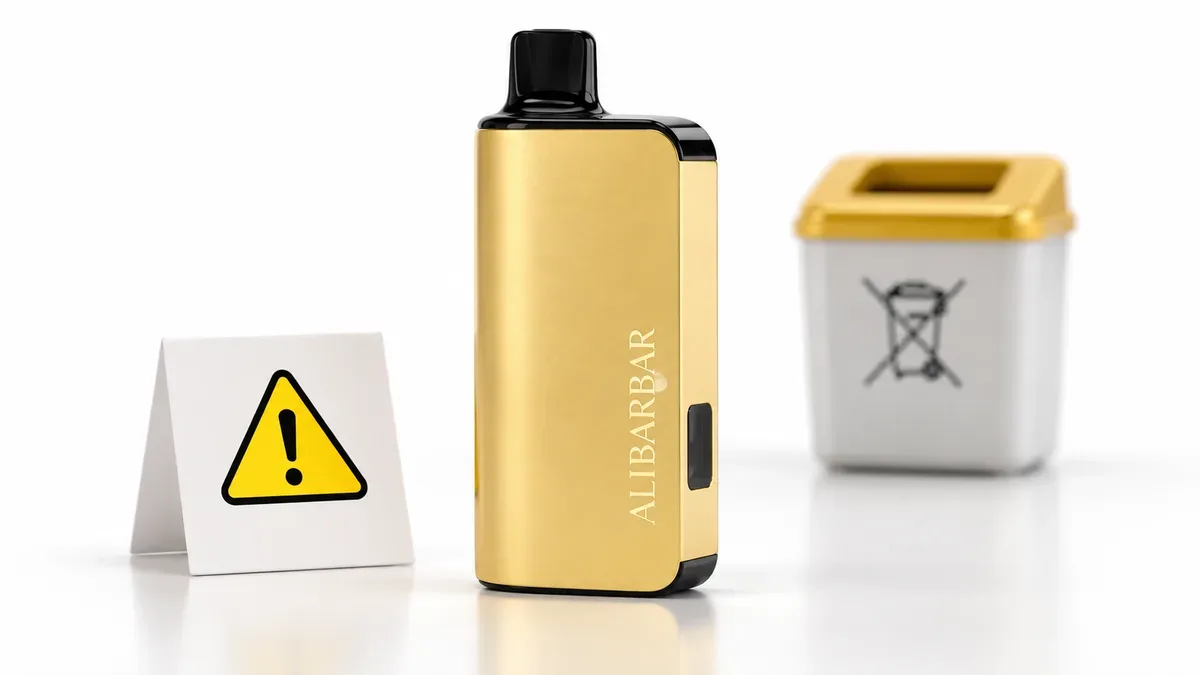
If your ALIBARBAR INGOT feels unusually hot, has swollen, or is leaking liquid, stop using it. If it starts smoking or catches fire, move away and call local emergency services from a safe location. This ALIBARBAR INGOT Safety Warnings and Handling Information guide explains where to find instructions for your exact model. It also covers safe storage, charging, liquid exposure, and disposal.
The device, box, and leaflet can each carry different details. For instance, the case may show the model name, while the box carries the nicotine warning. Meanwhile, the leaflet may explain how to handle the device or whether you can charge it. Keep all three handy when checking the instructions for your unit.
ALIBARBAR INGOT Safety Warnings and Where to Find Them
What to check on the device, box, and leaflet
Start with the device if it is cool, dry, and intact. Look for the full model name on the outside of the case, including any number after INGOT. Then turn the box over and check its sides and end flaps. A batch, lot, or serial number may appear near the barcode or on a separate sticker.
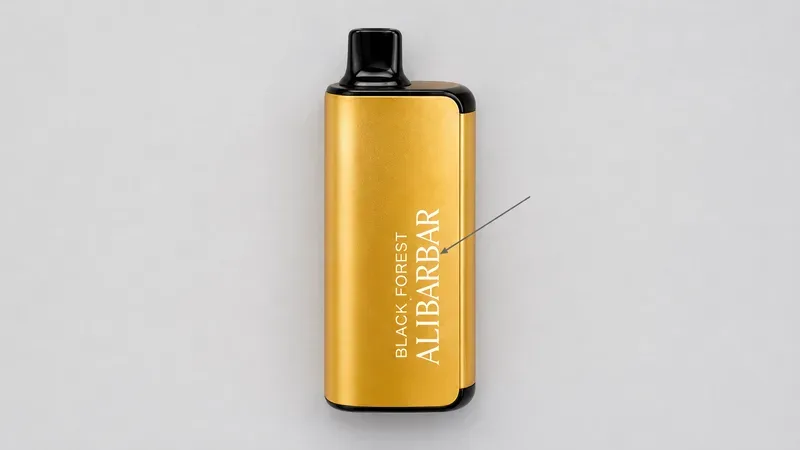
Next, look through the leaflet and check all the packaging panels. Small print can be easy to overlook, especially on a narrow end flap. Specifically, look for information that helps you answer these questions.
- Model and identifiers. What full model name appears on the device or packaging? Does the box show a batch, lot, or serial number?
- Nicotine and child safety. Does the packaging carry a nicotine warning or list a nicotine concentration? What instructions does it give about keeping the device away from children?
- Handling, charging, and disposal. Does the leaflet explain how to store the device or what to do if it gets wet? Look for charging instructions and disposal markings as well.
The public ALIBARBAR INGOT 9000 listing carries a nicotine warning. However, the listing alone cannot establish the full wording printed on your device or its packaging. For the exact wording, read the materials for your unit or ask ALIBARBAR for documentation matching your model and market.
Where to find the official ALIBARBAR INGOT instructions
First, read the leaflet and check for any official instructions the package directs you to. Then compare the full model name with the manufacturer’s product listing. Also check that the instructions apply to the country or market where the unit was sold. For example, tell support if you bought it abroad.
If the leaflet is missing or the label is unreadable, use the support details on ALIBARBAR’s official website. Include the country of purchase, the model name, and any batch or serial number you can read. Where safe, send clear photos of the device and all printed box panels. Finally, ask for the matching instructions and clarification of any unclear charging or disposal markings.
How to Store and Handle an ALIBARBAR INGOT Safely
Protect the device from heat, moisture, and damage
Choose a dry indoor spot away from direct sunlight and sources of heat. For instance, a sunny windowsill or car glove box can expose the device to high temperatures. Likewise, avoid leaving it in a freezing car overnight. Follow any storage temperature limits ALIBARBAR gives for your exact unit.

Also consider what might land on the device or spill beside it. For example, a heavy laptop can press against a vape at the bottom of a bag. Meanwhile, a leaking water bottle can soak everything in the same pocket. If you carry the device, choose a dry compartment where heavy objects cannot crush it.
Keep the housing intact and protect the device from drops. If you drop it, check for cracks, dents, or a change in shape without pressing on the case. The FDA’s vape battery guidance advises protecting devices from extreme temperatures. Additionally, the U.S. Fire Administration warns that water exposure can cause battery failure later.
Keep new and spent devices away from children and pets
Use a locked cabinet out of sight and reach of children and pets. Put the device away as soon as you finish handling it. In particular, check places where you tend to set things down without thinking. These spots can give children or pets easy access.
- Handbags and backpacks. A bag left on the floor or a chair is easy to get into.
- Coat pockets. A coat draped over the sofa can bring the device within a child’s reach.
- Nightstands. A low shelf or an unlocked drawer is easy to open or explore.
Use the same locked storage for an intact spent device while you arrange disposal. Even after it stops producing vapour, some liquid can remain inside. In fact, the FDA warns that nicotine-containing liquid can harm people if they swallow it or absorb it through their skin.
Pets can also get to a device while you are out of the room. For instance, a dog can chew through the case and reach both the liquid and battery. According to ASPCA Poison Control, chewing or swallowing vape components can injure pets as well as expose them to nicotine.
What to Do if Your ALIBARBAR INGOT Leaks, Overheats, Swells, or Is Damaged
Stop using or charging a leaking, unusually hot, swollen, or damaged device
If the device starts feeling unusually hot or changes shape, stop using or charging it. Likewise, stop if you find liquid, a cracked case, or signs of crushing. Keep children, pets, and anyone else away from the device. Watch for these warning signs without picking it up to inspect it.

- Visible liquid. You see droplets around a seam or mouthpiece, or find a wet patch where the device was resting.
- Bulging or swelling. The case bows outward, or a seam begins to separate.
- Cracks or dents. You notice damage after dropping the device, sitting on it, or crushing it in a bag.
- Unusual heat. The case feels much hotter than usual or keeps getting hotter after you stop using it.
Avoid touching leaked liquid or trying to work out where it came from. Leave the housing intact. Squeezing the case, puncturing a bulge, or opening the device to attempt a repair can make the situation worse. If liquid reaches someone’s mouth, skin, or eyes, follow the first-aid steps below.
Similarly, leave the device off charge if it has been soaked or dropped in water. A dry exterior gives you little information about moisture inside the housing. According to the U.S. Fire Administration, water damage can cause battery failure even days later. Therefore, seek handling and disposal advice before moving a water-damaged unit.
Know when to move away and call emergency services
Smoke, flames, hissing, or popping from the device call for immediate action. Move away and alert anyone nearby as you leave. Leave the device where it is, even if it sits near something you want to save. Then call local emergency services from a safe location.
For example, if the device starts hissing while plugged in, leave the immediate area. Avoid reaching past it for a plug or picking it up to carry it outside. From safety, tell the dispatcher what you saw or heard and where the device is. Follow the dispatcher’s instructions about staying clear.
If the damage is stable and there are no signs of an active emergency, call your local waste authority. Describe the problem before you transport the device or take it to a collection site. For instance, tell staff if it has swollen, leaked, or fallen into water. That detail helps them decide what handling advice to give you.
Is Your ALIBARBAR INGOT Model Designed to Be Recharged?
Verify rechargeable status for the exact model
ALIBARBAR describes the INGOT 9000 as disposable on its official product listing. To find out whether you can recharge your specific unit, check the matching leaflet or ask ALIBARBAR directly. Have the exact model name and country of purchase ready when you ask. A batch number or clear label photo can also help support identify the unit.
A port on the case or a retailer’s listing alone cannot establish that ALIBARBAR approves charging your unit. For instance, a cable may fit without telling you which power source the manufacturer specifies. Likewise, a retailer may describe a similarly named model. If the matching instructions do not expressly authorise charging, leave your device unplugged.
Follow the charging instructions for a confirmed rechargeable model
Once you confirm that your exact model supports charging, follow its instructions for the cable and power source. Also check for any limits on charging conditions, including temperature, if the manufacturer lists them. If an instruction is unclear, ask ALIBARBAR before connecting the device.
The FDA advises charging on a clean, flat surface away from anything that can easily catch fire. Keep the device in view while it charges. For example, choose a clear tabletop away from paper and curtains, where you can easily see the device. Keep it off sofas, bedding, and cushions.
Most importantly, keep any wet, leaking, swollen, overheated, or damaged unit off charge, even if your model supports recharging. Check the case before you connect it, especially after a drop or spill. If warning signs develop during charging, stop charging if you can do so safely. If you see smoke or hear hissing or popping, move away and call emergency services from safety.
What to Do if Vape Liquid Is Swallowed or Gets on Skin or in Eyes
First aid for swallowing, skin contact, and eye splashes
Call local emergency services immediately if the person collapses, has a seizure, has trouble breathing, or cannot wake up. For other exposures, start first aid promptly and get advice from your local poison centre. Even a small taste can cause nicotine poisoning in a child. If you are unsure how much liquid reached someone, say so when you call.
- Swallowed liquid. Call your local poison centre immediately if someone swallows or may have swallowed vape liquid. Do not make the person vomit. Tell the specialist if a child chewed on the mouthpiece or had liquid around their lips. Then follow the specialist’s instructions.
- Skin contact. Remove contaminated clothing and wash the affected skin immediately with soap and cool running water. For example, if a leak soaks a sleeve, remove the sleeve from contact with the skin. Wash the area underneath it as well. Then contact the poison centre for advice.
- Eye splash. Start rinsing immediately with room-temperature running water for 15 to 20 minutes. Remove contact lenses if present, without delaying the rinse. Encourage blinking while water flows gently over the eye. Then contact your local poison centre.
For an eye splash, a sink or shower can make it easier to keep the rinse going. With a young child, let water run gently across the bridge of the nose into the affected eye. According to Poison Control, severe eye pain or vision problems need urgent medical care after rinsing. Ask the poison centre what to do if irritation or redness continues.
Get the right help for a child, adult, or pet
For a child or adult, find your poison centre through your local or national public health service. In the United States, Poison Control is available at 1-800-222-1222. Elsewhere, use the number for your country or region. If you cannot reach a poison centre promptly, call your local urgent medical service for guidance.
Call even if the person seems well. If another adult is nearby, ask them to find the packaging while you give first aid or make the call. Keep the box or leaflet available if you can retrieve it safely. The poison specialist may ask for these details.
- Who was exposed. Give the person’s age, approximate weight, and any symptoms you have noticed.
- Which product was involved. Read out the model and the nicotine concentration if the label lists it.
- When and how it happened. Give the time, the estimated amount, and whether the liquid reached the mouth, skin, or eyes.
For a pet, call a veterinarian or animal poison service promptly. Call if your pet chews or swallows any part of the vape, licks spilled liquid, or gets liquid on its fur. Tell the vet what happened, when it happened, and whether any pieces are missing. According to ASPCA Poison Control, symptoms can appear within minutes, so seek advice without waiting for them.
Where to Dispose of a Spent or Damaged ALIBARBAR INGOT
Find a local collection point for an intact spent device
Start with your council or municipal waste authority. Look for a household hazardous waste programme, an electronics collection service, or a take-back site that explicitly accepts whole vapes. For example, search your council’s waste directory for vapes or e-cigarettes. If the directory is unclear, call and describe the device before visiting.
Keep the unit out of household trash and curbside recycling. The U.S. Environmental Protection Agency explains that a vape’s lithium battery can start a fire if it suffers damage during collection. Also, leftover nicotine liquid can expose workers or contaminate the environment. A spent unit can still contain both the built-in battery and residual liquid.
Before you visit a battery drop-off, confirm that it accepts complete vapes with the battery and liquid compartment still inside. For instance, a retailer may collect loose batteries but direct whole vapes to a municipal facility. Ask whether you need an appointment and where staff want you to hand over the unit. Meanwhile, keep the intact device in locked storage until you can take it in.
Call ahead about leaking, swollen, or otherwise damaged devices
A site that accepts intact vapes may handle damaged units differently. Therefore, call before bringing in a device that has leaked, swollen, cracked, or been soaked. Describe exactly what you observed and say whether the condition has changed. Then ask the site or waste authority for instructions specific to that device.
- Acceptance. Ask whether the site can accept a whole vape with the damage you described.
- Containment and transport. Ask how to handle the device while waiting and how to contain and transport it safely.
- Another collection option. If the site cannot take it, ask which facility or service handles damaged vapes in your area.
Keep the device intact and leave the battery in place. Opening a damaged case can expose you to liquid or damage the battery further. If the first site cannot help, ask your waste authority to direct you to a suitable facility. Get its handling instructions before you make the trip.
If the device starts smoking, hissing, popping, or actively overheating, move away and keep others clear. Leave the device in place and call local emergency services from a safe location. Arrange disposal only after emergency personnel say it is safe to do so.
Conclusion
Follow the instructions for your exact ALIBARBAR INGOT model and keep new and spent devices locked away from children and pets. Stop using the device if it leaks, swells, or shows signs of damage. If someone comes into contact with vape liquid, start first aid and get prompt advice. If the device smokes or catches fire, move away and call emergency services from safety.
Check your device label today and save the matching instructions. Add your local poison centre’s number to your phone. Finally, save the details of a collection site that confirms it accepts whole vapes.
