
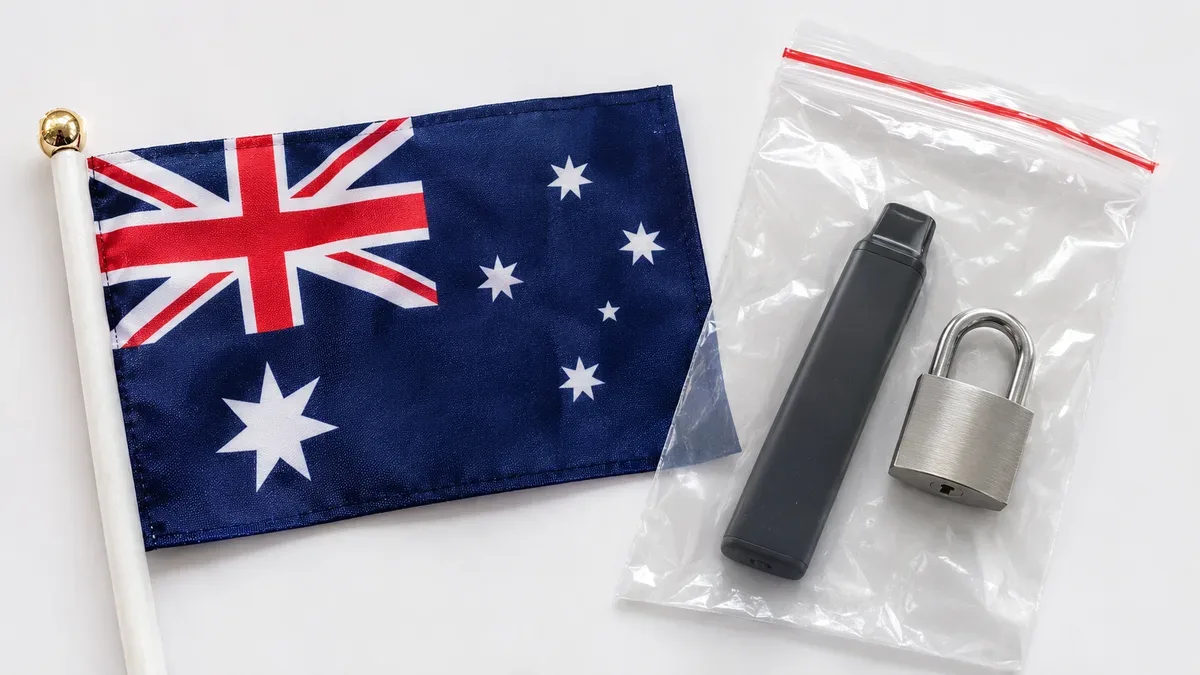
If an IGET disposable vape says ‘nicotine-free’ on the box, can an Australian convenience store legally sell it? No. ‘IGET Vape Australia: Understanding the Evolution of Vaping Regulations’ starts with a distinction that matters today. The rules cover the device itself, even when it contains no nicotine.
Australia first tightened access to nicotine vapes through a prescription model. Then it restricted imports, changed who could supply vaping goods and introduced new standards for therapeutic products. Meanwhile, state and territory laws continued to shape pharmacy access and where people could vape.
Those changes took effect on different dates, so an old news story can give you the wrong answer today. For the rules that apply now, check the Therapeutic Goods Administration, Australian Border Force and your local health authority.
IGET Vape Australia and the Evolution of Vaping Regulations
The earlier nicotine prescription model
On 1 October 2021, Australia tightened access to nicotine vaping products through prescription-based pathways. A patient generally needed a prescription to obtain nicotine vaping products from a pharmacy or through the then-available personal importation pathway. At that stage, nicotine content played a central role in determining how someone could access a product.
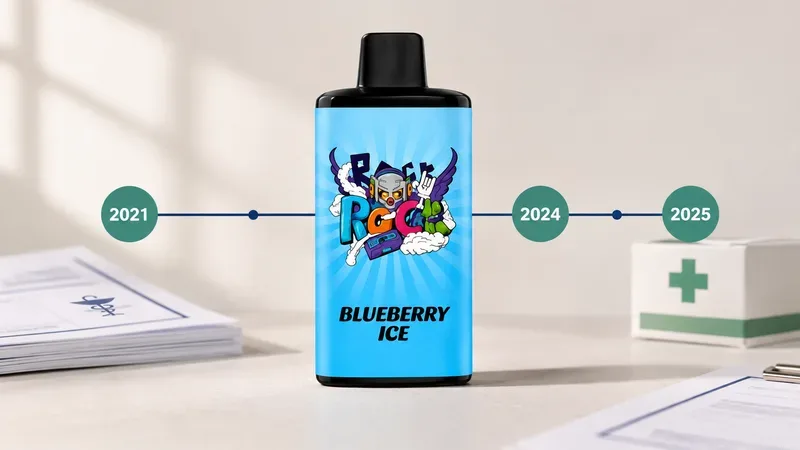
On 2 May 2023, the Australian Government announced plans for broader reforms. The announcement signalled a shift towards controlling vaping goods across the supply chain, including products sold as nicotine-free. However, the announcement date and the dates when those controls took effect tell different parts of the story. The TGA’s reform timeline records each milestone.
Import restrictions in two stages
On 1 January 2024, Australia restricted imports of disposable vapes, subject to limited exceptions. Then, on 1 March 2024, import controls expanded to other vaping goods, including reusable devices, vaping substances and accessories. Consequently, changing from a single-use device to a reusable model did not remove the border controls.
The personal importation pathway also closed for vaping goods. For example, a prescription no longer allowed a patient to order a vape from overseas for delivery by post or courier. Meanwhile, a separate, limited exemption remained for eligible goods carried in accompanied baggage. Australian Border Force explains the distinction in its customs notice and traveller guidance.
Domestic controls and pharmacy access
On 1 July 2024, the federal Therapeutic Goods and Other Legislation Amendment (Vaping Reforms) Act 2024 commenced. It strengthened controls on domestic manufacture, supply, commercial possession and advertising. As a result, retailers such as tobacconists, convenience stores and vape shops could no longer lawfully sell vaping goods to consumers.
On 1 October 2024, a conditional pharmacist-only pathway opened for certain lower-strength therapeutic nicotine vapes. Eligible adults could discuss products containing up to 20 mg/mL of nicotine with a pharmacist without first obtaining a prescription. However, the pharmacist still had to assess whether supply was clinically appropriate, and state or territory rules continued to apply.
Updated therapeutic product standards
On 1 March 2025, updated standards began applying to therapeutic vaping goods entering Australia or undergoing domestic manufacture. During the transition, some stock that met earlier standards could still move through the lawful supply chain. From 1 July 2025, therapeutic vaping goods had to meet the updated standards for lawful supply.
Specifically, the standards restrict permitted ingredients, nicotine concentration and container sizes. They also set requirements for plain packaging, labelling and patient information. Additionally, device standards cover technical requirements, instructions for use and the design and packaging of devices and accessories. The TGA announced both transition dates in its product standards release on 1 October 2024.
How Australian Vaping Laws Apply to IGET Disposable Vapes
Identify the product category
Picture a sealed, prefilled IGET single-use vape that you discard when the liquid runs out. Its disposable design places it in the single-use category. Therefore, the disposable import restrictions apply to the device whether it contains nicotine or claims to contain none. Federal rules also restrict its manufacture, commercial possession and supply in Australia.
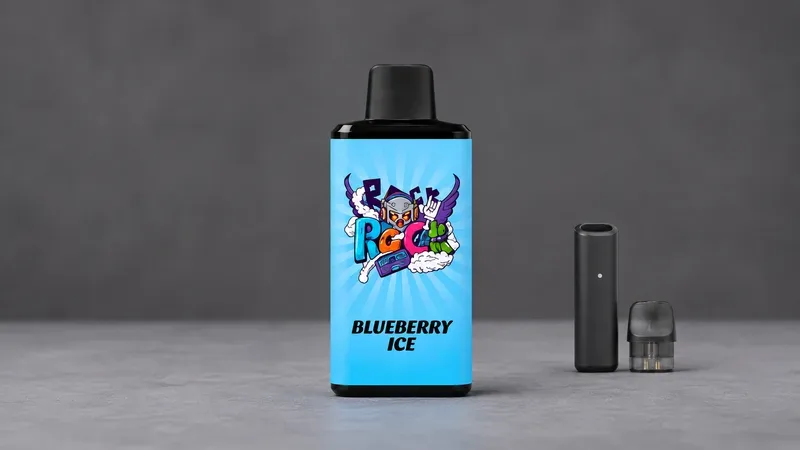
By comparison, a reusable device with a replaceable pod falls within the rules for reusable vaping devices. A separately sold pod also needs its own classification. For instance, a prefilled replacement pod contains a vaping substance, while an empty replacement pod may count as a device accessory. Both remain subject to relevant vaping goods controls.
Start with the exact item in the listing or on the box. Specifically, identify whether you are looking at a complete disposable, a reusable device or a pod. The product category helps you find the right requirements for importation and supply, as explained in the TGA’s reform guidance.
Assess nicotine-free claims and retail availability
Imagine a convenience store advertises an IGET disposable as ‘0 mg’ and offers local pickup. Even if the label accurately describes the contents, the device remains a disposable vape. Therefore, the store cannot lawfully sell it to a consumer under the federal rules. A listing only shows that someone is offering the product for sale.
Commercial possession and personal possession raise different questions. For example, boxes of vapes a retailer holds for resale raise commercial possession and supply issues. Meanwhile, someone carrying a vape for their own use should check the applicable possession rules separately. The circumstances and the jurisdiction matter when you look up those rules.
If you come across a listing, check who is offering the product and how they describe it. For NSW, NSW Health’s vaping goods laws page explains the retail restrictions and how to report suspected unlawful sales.
Nicotine, Nicotine-Free and Therapeutic Vapes Under Australian Law
Compare the rules by product type and nicotine strength
Nicotine strength matters after you establish that the product qualifies for therapeutic supply. For example, a single-use retail vape labelled ‘0 mg’ falls under the disposable controls. Meanwhile, a notified nicotine-free therapeutic pod can fall within a pharmacy supply pathway. The table shows how product type and nicotine strength affect consumer access.
| Product type | How the rules apply |
|---|---|
| Nicotine disposable | Disposable controls apply. Ordinary retailers cannot sell it to consumers. |
| Zero-nicotine disposable | The same disposable controls apply, including the restrictions on retail sale. |
| Notified zero-nicotine therapeutic product | Pharmacy supply only, through the applicable therapeutic pathway. Outside Schedules 3 and 4. |
| Notified therapeutic nicotine product at or below 20 mg/mL | Eligible adults may access it through a pharmacist without a prescription where local rules allow and supply is clinically appropriate. |
| Notified therapeutic nicotine product above 20 mg/mL | A prescription is required. The product must meet the therapeutic standard’s 50 mg/mL maximum. |
Explain what qualifies as therapeutic
Therapeutic vaping goods are for smoking cessation or the management of nicotine dependence. They must meet the applicable product standards and reach patients through a lawful pharmacy pathway. Additionally, eligible vaping products must appear on the TGA’s notified vape list. Search for the specific product rather than relying on the brand name alone.
The list reflects a notification from the sponsor, the business responsible for supplying the product in Australia. Specifically, the sponsor tells the TGA that the product complies with applicable requirements. The TGA has not assessed these listed products for quality, safety, efficacy or performance. Therefore, a listing helps identify products eligible for lawful supply under the relevant conditions.
Explain when prescriptions apply
For adults aged 18 or older, the pharmacist-only pathway can cover eligible nicotine products at or below 20 mg/mL. However, local law must allow that pathway, and the pharmacist must assess the patient before supplying anything. The consultation can cover the patient’s needs, previous attempts to quit smoking and available treatment options.
For higher strengths, a medical practitioner or nurse practitioner must issue a prescription. Likewise, patients under 18 need a prescription where local law permits supply. The TGA’s pharmacy and prescriber guidance explains the access pathways, including the additional steps that can apply to younger patients.
Meanwhile, zero-nicotine therapeutic products sit outside Schedules 3 and 4, the pharmacist-only and prescription-only medicines schedules. They still count as regulated vaping goods, and pharmacies supply them for therapeutic purposes under the applicable access rules. For example, an eligible adult can ask a pharmacist about a notified nicotine-free product where local law allows.
Federal Vaping Rules for Imports, Supply and Advertising
Imports and overseas orders
Federal import controls cover vaping devices, substances and accessories. For example, the rules can apply to a reusable device, a bottle of vape liquid and replacement cartridges. Authorised commercial importers generally need a licence and a permit from the Office of Drug Control. They must also meet the relevant TGA requirements.
Therefore, an overseas seller’s offer to ship to Australia does not give a consumer permission to import vaping goods. The same principle applies if the seller advertises a nicotine-free product or a buyer holds an Australian prescription. The personal importation pathway for postal or courier deliveries of vapes has closed.
However, Australian Border Force describes a limited exemption for travellers carrying eligible goods for their treatment in accompanied baggage. Its published limits per traveller are as follows.
- Up to 2 vapes.
- Up to 20 cartridges, capsules or pods.
- Up to 200 mL of vaping liquid.
Check the current ABF traveller conditions before packing. In particular, confirm that the goods qualify and that you can carry them in accompanied baggage. The traveller exemption does not authorise a later delivery by post or courier.
Domestic supply and commercial possession
Federal law restricts who can manufacture vaping goods and who can hold them in commercial circumstances. For instance, unsold stock in a shop’s storeroom can raise commercial possession issues before the shop makes a sale. The TGA’s commencement guidance explains how the law applies across the supply chain.
Furthermore, tobacconists, convenience stores and specialist vape shops cannot lawfully sell vaping goods to consumers. Pharmacies can supply eligible therapeutic goods for smoking cessation or management of nicotine dependence through the applicable pathways. Consequently, access depends on the product, the patient’s circumstances and the rules the pharmacy must follow.
Advertising and promotion
Federal law generally prohibits advertising vaping goods across media. The prohibition reaches social media and can cover promotion and sponsorship. For example, a sponsored social media post featuring a disposable vape can raise advertising issues even if viewers cannot buy it directly there.
However, the rules allow certain specifically authorised communications. A health practitioner can share some product information directly with a patient during consultation or treatment. Specifically, a pharmacist may explain how a therapeutic vape works or discuss availability when that information supports the patient’s care.
The context matters when sharing that information. For example, a pharmacist’s private discussion about using a device forms part of patient counselling. Meanwhile, a public post endorsing that device can amount to promotion. The TGA’s pharmacy guidance sets out the conditions for these communications.
How State and Territory Vaping Laws Apply Alongside Federal Rules
Pharmacy access and local requirements
Federal law sets the framework for therapeutic access, and state or territory law can impose additional requirements. For example, local law can affect whether pharmacists may supply a lower-strength nicotine vape without a prescription. It can also affect access for patients under 18, even where a prescriber considers treatment clinically appropriate.
In NSW, eligible adults aged 18 or older may obtain certain therapeutic products directly from a pharmacist. However, the pharmacist must determine that supply is clinically appropriate and meet the relevant supply conditions. For nicotine products above 20 mg/mL, NSW Health says a medical practitioner or nurse practitioner must provide a prescription.
Likewise, NSW requires a prescription for a therapeutic vape for a patient under 18. For example, two patients can ask about the same 12 mg/mL therapeutic product and face different requirements. An eligible adult may use the pharmacist-only pathway, while a 17-year-old needs a prescription. Check NSW Health’s pharmacy guidance for the applicable conditions.
Public places, schools and enforcement
Rules about where you can vape apply separately from rules about how you obtained the product. In NSW, you cannot vape in smoke-free areas. For instance, those restrictions cover enclosed public places such as shopping centres and public transport. They also cover designated outdoor smoke-free areas.
Meanwhile, a school can have policies that address possession and use on campus and during school activities. If a student brings a device to school, check the school’s policy and the relevant education department’s guidance. Also check the state or territory health authority for separate rules on possession and public use.
If you suspect unlawful sales, look for the reporting process in the jurisdiction where the retailer operates. In NSW, you can report suspected illegal sales through NSW Health’s online reporting service or its Tobacco Information Line. Its vaping goods laws page explains how NSW Health investigates retailers and enforces the rules.
Why Australia Reformed Vaping Laws and Where to Check the Rules
Connect the reforms to youth vaping policy
Australia’s reforms aim to reduce young people’s exposure to and access to vaping products. For instance, restricting convenience-store sales reduces places where retailers can lawfully offer vapes. Advertising rules limit public promotion, including on social media. Additionally, therapeutic flavour restrictions limit added flavours to mint, menthol and tobacco.
Meanwhile, the pharmacy pathway preserves regulated access for people seeking help to quit smoking or manage nicotine dependence. A consultation gives the patient a chance to discuss their needs and available treatment options. When supply is clinically appropriate, the pharmacist can explain how to use the product and what follow-up may involve.
These are policy goals. To judge outcomes, look for evidence that measures youth vaping, exposure to promotions or access to products over time. For example, a report counting retail seizures measures enforcement activity. A survey asking young people about recent vaping measures something different.
Give parents, educators and adults an official verification checklist
Start with the agency responsible for the question you need answered. For instance, a parent checking an online seller needs different guidance from a traveller packing for a flight. Use the date on each official page to tell whether you’re reading a historical announcement or current guidance.
- Check the TGA for therapeutic products and pharmacy supply. Look up the exact product, strength and notification status. The notified vape list showed an update date of 13 November 2026. The TGA’s detailed pharmacy guidance shows a publication date of 10 October 2025.
- Check Australian Border Force for imports and travel. Use its import guidance for licence and permit rules. Before departure, check its traveller list for quantity limits and accompanied baggage requirements.
- Check your state or territory health authority for local rules. Look for pharmacy access, public use, possession and reporting guidance. For example, NSW Health’s vaping goods laws page showed a currency date of 5 November 2026.
Conclusion
Australia moved from prescription-based access for nicotine vapes to broader controls on vaping goods. The reforms changed what could cross the border, who could supply products and how businesses could promote them. As a result, a shop cannot lawfully sell an IGET single-use vape, even if it contains no nicotine.
Meanwhile, therapeutic access depends on the product, the patient and local rules. Check the TGA for therapeutic product and pharmacy rules, ABF for travel conditions, and your local health authority for restrictions.
